Ever wonder if there’s a kitchen gadget that can truly revolutionize your cooking, making meals faster, easier, and more flavorful? Well, pull up a chair, because we’re about to dive deep into the world of the best electric pressure cooker. This isn’t your grandma’s old stovetop hissing away with an ominous wobble; modern electric pressure cookers are sleek, safe, and incredibly versatile multi-taskers that are changing the game for home cooks everywhere. If you’re looking to cut down on cooking time without cutting corners on taste, you’ve come to the right place.
A Brief History and the Modern Marvel
Pressure cooking itself has a surprisingly long history, with the first “steam digester” invented in the 17th century. However, it wasn’t until the rise of electric models, especially with the explosion in popularity of brands like Instant Pot in the last decade, that these appliances truly became kitchen staples. These days, electric pressure cookers are more accurately called “multicookers” because they do so much more than just pressure cook. They’re designed to be your one-stop shop for a variety of cooking methods, blending convenience with efficiency.
What Makes an Electric Pressure Cooker Tick?
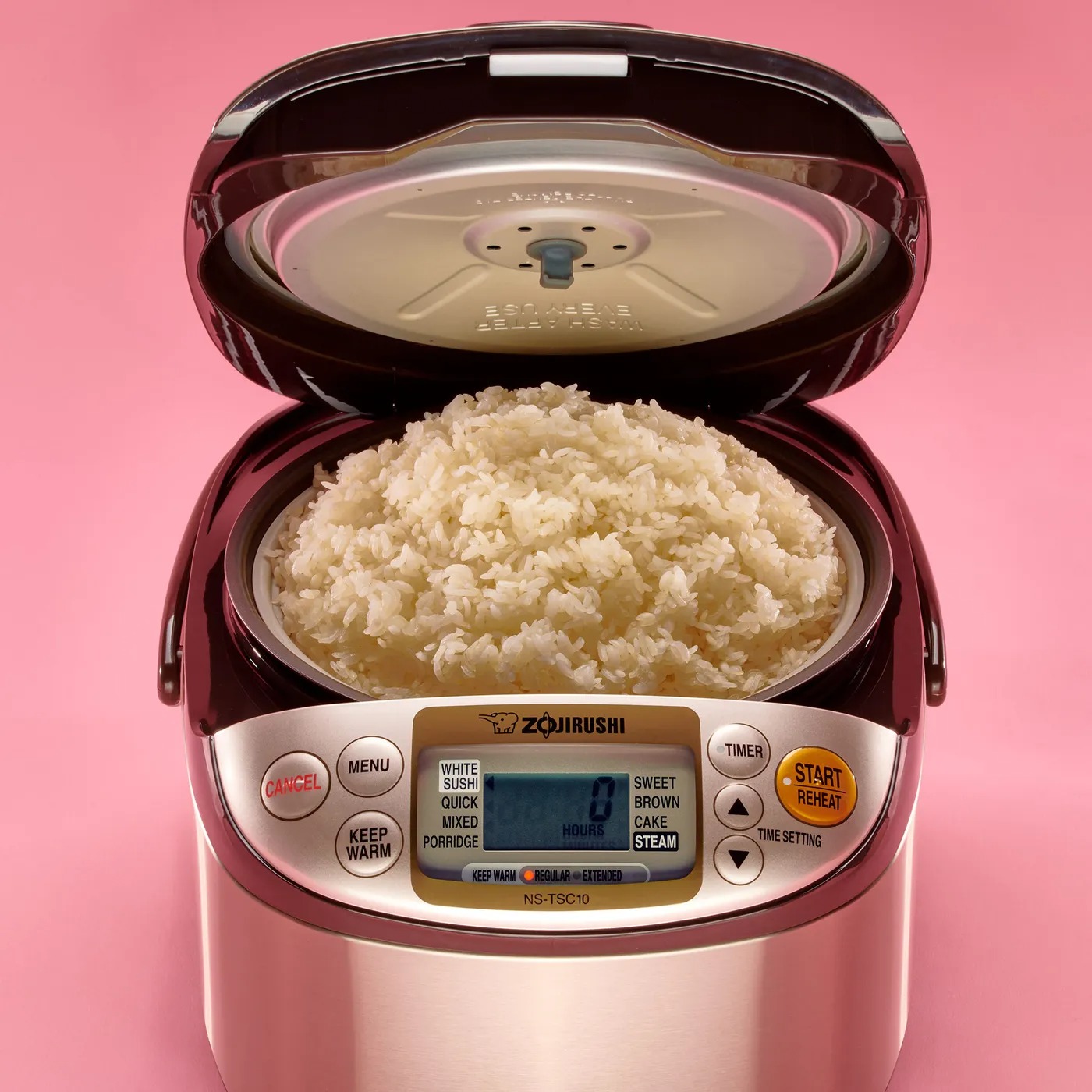
At its core, an electric pressure cooker works by trapping steam inside a sealed pot, which increases the pressure and, consequently, raises the boiling point of water. This higher temperature dramatically speeds up the cooking process. Imagine tough cuts of meat becoming fork-tender in a fraction of the usual time, or dried beans cooking without an overnight soak!
Unpacking the Types and Key Features You’ll Love
When you’re searching for the best electric pressure cooker, you’ll quickly discover a spectrum of options, each boasting unique features. Understanding these can help you pick the perfect culinary companion for your kitchen.
Types of Electric Pressure Cookers (Often Multi-Cookers)
Most electric pressure cookers on the market today are actually multi-cookers, meaning they combine several appliances into one. This can include functions like:
- Pressure Cooker: The primary function, rapidly cooking food under pressure.
- Slow Cooker: Ideal for hands-off cooking over several hours.
- Rice Cooker: Delivers perfectly fluffy rice every time.
- Steamer: Great for healthy vegetables, fish, and dumplings.
- Sauté/Brown: Allows you to brown meats and vegetables directly in the pot before pressure cooking, building flavor.
- Yogurt Maker: For homemade yogurt with ease.
- Sous Vide: Some advanced models even offer precision cooking with sous vide.
- Air Fryer (with specialized lids): Certain models, like some Ninja Foodi appliances, integrate air frying capabilities.
Essential Features to Look For
- Capacity: Electric pressure cookers typically range from 3-quart models (perfect for singles or couples) to 8-quart or even larger options (ideal for big families or meal prepping). A 6-quart model is often considered the sweet spot for a family of 3-4.
- Inner Pot Material: Stainless steel inner pots are durable, non-reactive, and often dishwasher-safe, making them a popular choice. Some come with non-stick or ceramic coatings for easier cleanup, but require gentle handling to prevent scratches.
- Safety Mechanisms: Modern electric pressure cookers are packed with safety features, including locking lids that prevent opening under pressure, automatic pressure release valves, anti-block shields, and overheat protection. This has made them far safer than their stovetop ancestors.
- Control Panel and Presets: Look for intuitive controls and a clear display. Many models offer one-touch preset programs for common dishes like soup, meat/stew, beans, rice, and poultry, simplifying the cooking process.
- Pressure Release Options: Most offer both a Quick Release (venting steam rapidly) and Natural Release (allowing pressure to dissipate gradually), which are important for different recipes.
- Smart Features: Some advanced models, like the CHEF iQ Pressure Cooker, offer WiFi connectivity, smartphone app control with guided cooking, and even built-in scales, taking the guesswork out of recipes.
Mastering Your Electric Pressure Cooker: Safe and Efficient Use
Using an electric pressure cooker might seem daunting at first, but with a few pointers, you’ll be cooking like a pro in no time. Always start by reading your specific model’s manual, as instructions can vary.
- Don’t Overfill: Never fill your pressure cooker more than two-thirds full for most foods, and only one-third full for foods that expand, like beans or grains. Overfilling can block the steam release.
- Proper Sealing: Ensure the lid is correctly sealed and the steam release valve is in the “sealing” position before starting. Modern models often have indicators or locking mechanisms to confirm this.
- Liquid is Key: Pressure cooking requires liquid to create steam. Always add the minimum amount of liquid specified in your recipe or manual.
- Pressure Release: Understand the difference between Natural Release (letting the pressure drop on its own, good for foamy foods or large cuts of meat to prevent toughness) and Quick Release (manually opening the valve to vent steam, ideal for quick-cooking items like vegetables to prevent overcooking). Always keep your hands and face away from the steam vent during quick release.
- Cleanliness: Regular cleaning, especially of the sealing ring and steam valve, is crucial for maintaining performance and hygiene. Many inner pots are dishwasher safe.
Tips and Tricks to Optimize Your Pressure Cooking
To truly get the most out of your electric pressure cooker, here are some insider tips:
- Sear First: For rich, deep flavors, always use the sauté function to brown your meats and aromatics before adding liquid and pressure cooking.
- Batch Cooking: Electric pressure cookers are fantastic for making large batches of staples like broth, beans, or shredded chicken, which can then be frozen for quick meals later.
- Frozen to Feast: Forgot to thaw dinner? Many electric pressure cookers can cook frozen meats directly, though cooking times will be longer.
- Flavor Infusion: Because flavors are locked in, pressure cooking intensifies them. Use aromatic ingredients like herbs, spices, and robust broths.
- Experiment with Recipes: Don’t limit yourself! There’s a vast community of electric pressure cooker users and a wealth of recipes available online for everything from curries to cheesecakes.
The Undeniable Benefits of an Electric Pressure Cooker
Why should you consider adding the best electric pressure cooker to your kitchen? The benefits are abundant:
- Speed: This is the most obvious advantage. Meals that traditionally take hours can be ready in minutes, making weeknight dinners a breeze.
- Energy Efficiency: By cooking faster, electric pressure cookers often use less energy than conventional cooking methods.
- Flavor & Nutrition: The sealed environment locks in moisture and nutrients, resulting in incredibly flavorful and tender food. Vegetables retain more of their vibrant color and nutrients.
- Convenience: The “set-it-and-forget-it” nature of electric models, with programmable settings and delay start timers, means you can walk away and let the appliance do the work.
- Versatility: As multi-cookers, they can replace several single-function appliances, saving counter space and money.
- Safety: Modern designs incorporate numerous safety features, providing peace of mind.
“Electric pressure cookers have truly democratized quick, healthy, and delicious home cooking,” notes Chef Anya Sharma, a culinary technologist specializing in smart kitchen appliances. “The advancements in safety and multi-functionality mean there’s a perfect model out there for every cook, from beginner to gourmet.”
Popular Dishes and Creative Recipes
The possibilities with an electric pressure cooker are nearly endless. Here are a few ideas to get your culinary journey started:
- Hearty Soups and Stews: From beef stew to lentil soup, achieve deep flavors in a fraction of the time.
- Tender Meats: Pulled pork, pot roast, whole chicken – fall-off-the-bone results are guaranteed.
- Beans from Scratch: Cook dried beans perfectly without pre-soaking.
- Grains: Fluffy rice, quinoa, and even risotto without constant stirring.
- Desserts: Believe it or not, cheesecakes, custards, and even cakes can be made in a pressure cooker.
- One-Pot Wonders: Chili, pasta dishes, and curries can be cooked entirely in one pot, minimizing cleanup.
Frequently Asked Questions (FAQ) About Electric Pressure Cookers
Q: What is the main difference between an electric pressure cooker and an Instant Pot?
A: An Instant Pot is actually a brand name of a popular electric pressure cooker. While all Instant Pots are electric pressure cookers (and typically multi-cookers), not all electric pressure cookers are Instant Pots. It’s like how all tissues are not Kleenex.
Q: Are electric pressure cookers safe to use?
A: Absolutely! Modern electric pressure cookers are designed with numerous safety features, including lid locks, pressure release valves, and automatic temperature controls, making them far safer and more user-friendly than older stovetop models.
Q: What capacity electric pressure cooker should I buy?
A: For individuals or couples, a 3-quart model might suffice. A 6-quart model is the most popular size and is generally recommended for families of 3-4 people. If you frequently cook for larger gatherings or do a lot of meal prepping, an 8-quart or larger model would be a better choice.
Q: Can I convert my regular recipes for an electric pressure cooker?
A: Yes, many conventional recipes can be adapted. However, pressure cooking times are significantly shorter, and the liquid required is usually less. It’s best to consult conversion charts or find recipes specifically designed for electric pressure cookers.
Q: How do I clean my electric pressure cooker?
A: Most electric pressure cookers have removable inner pots that are dishwasher safe. The lid, including the sealing ring and steam release valve, should be hand-washed thoroughly after each use to prevent odors and ensure proper function.
Q: Is an electric pressure cooker energy efficient?
A: Yes, because electric pressure cookers cook food much faster than traditional methods, they typically consume less energy overall for a given dish, contributing to energy savings in your kitchen.
Conclusion
Choosing the best electric pressure cooker is an investment in culinary convenience, efficiency, and delicious results. These multi-functional marvels save you time, energy, and counter space, allowing you to whip up everything from quick weeknight dinners to impressive gourmet meals with remarkable ease. By focusing on safety features, understanding capacity needs, and exploring the diverse cooking functions, you can find the perfect model to elevate your kitchen game. So go ahead, embrace the power of pressure, and unlock a world of culinary possibilities that will have you wondering how you ever cooked without one. Happy cooking!
|
Our Picks for the Best Electric cooker in 2026
As an Amazon Associate I earn from qualifying purchases.
|
||
| Num | Product | Action |
|---|---|---|
| 1 | Elite Gourmet NOODLE EXPRESS™ Hot Pot, Prepare Ramen, Rice, Soups, Stews, Boil Water, Stainless-Steel Interior, Glass Lid, High/Low/Off Settings, Grey |

|
| 2 | AROMA Digital Rice Cooker, 4-Cup (Uncooked) / 8-Cup (Cooked), Steamer, Grain Cooker, Multicooker, 2 Qt, Stainless Steel Exterior, ARC-914SBD |
|
| 3 | AROMA® Rice Cooker, 3-Cup (Uncooked) / 6-Cup (Cooked), Small Rice Cooker, Oatmeal Cooker, Soup Maker, Auto Keep Warm, 1.5 Qt, White, ARC-363NG |
|
| 4 | Instant Pot Duo 7-in-1 Mini Electric Pressure Cooker, Slow Rice Cooker, Steamer, Sauté, Yogurt Maker, Warmer & Sterilizer, Includes Free App with over 1900 Recipes, Stainless Steel, 3 Quart |
|
| 5 | Elite Gourmet EG808 8” x 8\" Non-stick Electric Skillet, Dishwasher Safe with Tempered Glass Vented Lid, Rapid Heat Up, 600W, Black |
|
| 6 | Dezin Electric Cooker, 2L Non-Stick Sauté Pan, Rapid Noodles Cooker, Mini Pot for Steak, Egg, Fried Rice, Ramen, Oatmeal, Soup with Power Adjustment, College Dorm Room Essential(Egg Rack Included) |
|
| 7 | CUCKOO Twin Pressure Rice Cooker 6-Cup Uncooked / 12-Cup Cooked with Nonstick Inner Pot, Versatile Rice Maker & Warmer with 16 Menu Options, Open Cooking Mode, Voice Guide, Gray (CRP-ST0609FG) |
|
| 8 | Instant Pot Duo Plus 9-in-1 Multicooker, Pressure Cooker, Slow Cook, Rice Maker, Steamer, Sauté, Yogurt, Warmer & Sterilizer, Includes App With Over 800 Recipes, Stainless Steel, 6 Quarts |
|
| 9 | Midea 10-in-1 Electric Pressure Cooker with Slow Cooker, Steamer, Saute, Sous Vide, and Bake Modes, Stovetop & Oven Safe Stainless Steel Pot, 6 Quarts |
|
| 10 | Instant Pot Duo 7-in-1 Multi-Cooker, Electric Pressure Cooker, Slow Cooker, Rice, Steamer, Sauté, Yogurt Maker, Warmer & Sterilizer, Includes App With Over 800 Recipes, Stainless Steel, 6 Quarts |
|