There’s a special kind of magic in the air when bacon sizzles, a promise of a delicious start to any day. But let’s be honest, that magic often comes with a side of greasy splatter, a hot stovetop, and the lingering smell of cooked fat. What if you could achieve perfectly crisp bacon without the fuss? Enter the electric bacon cooker, a kitchen hero designed to streamline your breakfast routine and deliver those coveted crispy strips with ease and significantly less mess.
These innovative appliances come in various forms, but they all share a common goal: to make cooking bacon simpler, cleaner, and often, healthier. Whether you’re a connoisseur of classic breakfast fare or looking for a quick, convenient way to add savory crunch to your meals, understanding the world of the electric bacon cooker is your first step towards breakfast bliss.
What Exactly is an Electric Bacon Cooker?
An electric bacon cooker is a dedicated kitchen appliance or accessory designed specifically for cooking bacon. Unlike traditional methods like frying pans or oven baking, these cookers aim to provide a more controlled environment for achieving ideal crispiness while efficiently managing grease. Think of them as specialized tools that take the guesswork and much of the mess out of cooking everyone’s favorite cured pork belly.
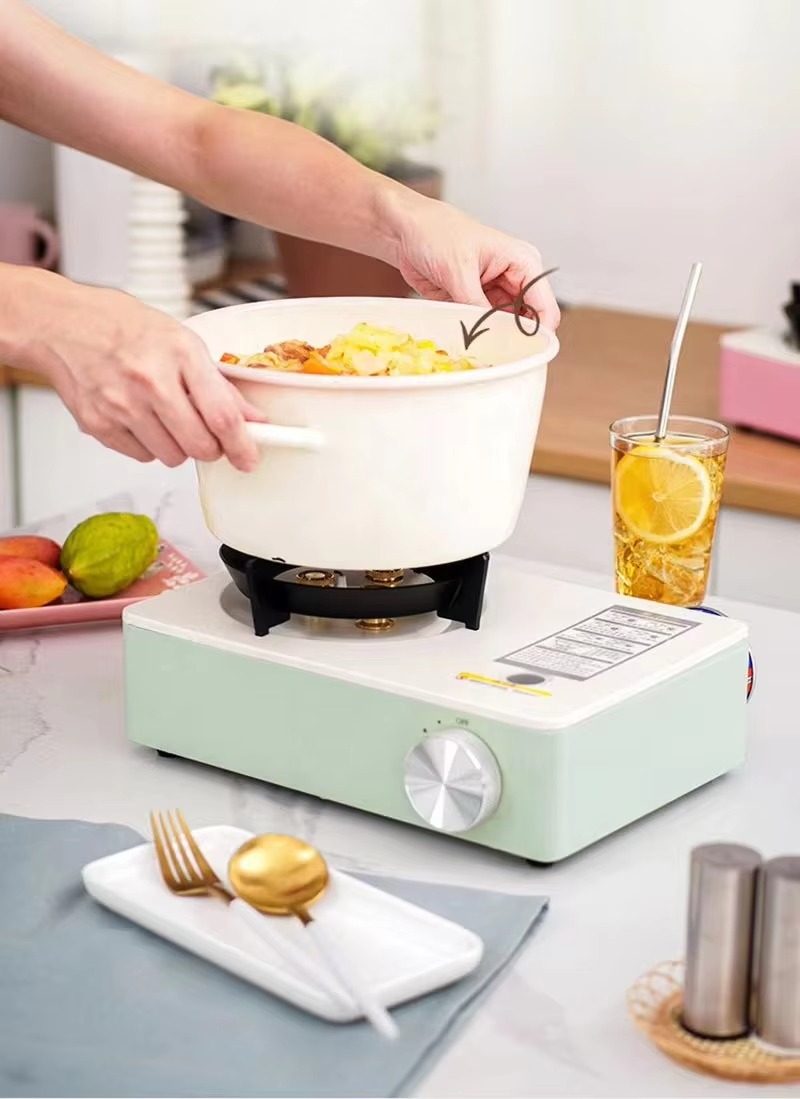
The journey of cooking bacon has evolved from open flames to cast iron skillets, then into ovens for batch cooking. The advent of the electric bacon cooker represents another leap, focusing on convenience, health (by draining fat), and consistent results. They cater to a modern lifestyle where time is precious, and kitchen cleanup is preferably minimal.
Exploring the Two Main Types of Electric Bacon Cookers
When we talk about an electric bacon cooker, we generally categorize them into two primary types, each with its own charm and operational method. Understanding these distinctions will help you choose the right gadget for your culinary needs.
Microwave Bacon Cookers
These are arguably the most common interpretation of an electric bacon cooker. They are typically made from heat-resistant plastic or ceramic and are designed to be used inside your microwave.
- How They Work: Microwave bacon cookers use the microwave’s energy to cook the bacon. Their clever design usually features vertical racks or ridges that suspend the bacon strips, allowing the rendered fat to drip down into a collection tray below. Many models also include a lid to contain splatter.
- The Upsides: They are incredibly fast, often cooking bacon in just a few minutes. They are generally very affordable and incredibly easy to clean, with most components being dishwasher safe. The enclosed design significantly reduces grease splatter, keeping your microwave and countertops pristine. The grease draining system also contributes to healthier, leaner bacon.
- The Downsides: While convenient, some users report uneven cooking, where certain strips might be crispier than others. Capacity can be limited, making them best suited for smaller batches. It’s also crucial to look for BPA-free models, especially when dealing with plastics and high heat. Some cheaper plastic versions might warp over time.
Plug-in Electric Bacon Grills/Cookers
These are standalone appliances that plug directly into an electrical outlet, featuring their own heating elements. They often resemble compact indoor grills or specialized vertical cookers.
- How They Work: Plug-in electric bacon cookers use direct heat to cook the bacon, similar to a griddle or grill. Many vertical models cook bacon standing up, allowing gravity to pull the fat into a removable drip tray. Horizontal versions often feature sloped surfaces or elevated racks for efficient grease drainage.
- The Upsides: These cookers often deliver a superior, more evenly cooked, and consistently crispy result. They typically boast a higher capacity, capable of cooking more strips at once, making them ideal for families or entertaining. They tend to be more durable and versatile, with some models offering features for cooking other breakfast items like eggs or sausage. The controlled heating elements often provide a more precise cooking experience.
- The Downsides: Generally, plug-in models are more expensive than their microwave counterparts. They also require dedicated counter space and are not always as compact for storage. While easy to clean, they cannot be fully submerged in water due to electrical components, requiring careful wiping down of heating surfaces.
Why Choose an Electric Bacon Cooker? The Benefits Unpacked
Deciding to invest in an electric bacon cooker comes with a host of advantages that can transform your cooking experience.
- Healthier Bacon: This is a major draw for many. Both types of electric bacon cookers are designed to effectively drain away excess grease as the bacon cooks. This significantly reduces the fat content in your final product, giving you a leaner, guilt-free indulgence.
- Mess-Free Cooking: Say goodbye to greasy stovetops and splattered backsplashes. The enclosed design of microwave cookers and the vertical orientation or splatter guards on plug-in models keep the sizzling fat contained, making cleanup dramatically easier.
- Convenience & Speed: These appliances are all about efficiency. Microwave versions cook in minutes, perfect for busy mornings. Plug-in models, while taking slightly longer, still offer a hands-off approach, allowing you to focus on other breakfast preparations. It’s a set-it-and-forget-it solution for perfect bacon.
- Consistent Results: The structured environment of an electric bacon cooker helps ensure even heat distribution. This means fewer burnt ends and raw spots, yielding perfectly cooked, crispy bacon strips from end to end every time. “According to chef Isabella Rossi, ‘An electric bacon cooker is a game-changer for busy mornings, delivering perfectly crisp bacon without the stovetop mess.'”
- Easy Cleanup: Most electric bacon cookers feature removable parts that are dishwasher safe, turning what used to be a scrubbing nightmare into a simple rinse and load.
How to Use Your Electric Bacon Cooker Safely and Effectively
Getting the most out of your electric bacon cooker is straightforward, but a few tips can elevate your bacon game.
- Preparation is Key: For plug-in models, always preheat your cooker according to the manufacturer’s instructions. For both types, ensure your bacon strips are separated and ready to load.
- Load with Care: Lay or hang bacon strips in a single layer, ensuring they don’t overlap. Overcrowding can lead to uneven cooking and can compromise the grease drainage.
- Mind the Clock: Cooking times vary greatly depending on your specific electric bacon cooker model, microwave wattage, and desired crispiness. Start with the manufacturer’s recommended time and adjust in 30-second increments until you achieve your preferred texture.
- Grease Management: Always ensure the drip tray is properly in place before cooking. After cooking and once the grease has cooled, safely dispose of the rendered fat. Do not pour hot grease down your drain.
- Safety First: Always use heat-resistant mitts when handling hot cookers or drip trays. Ensure plug-in models are placed on a stable, heat-resistant surface away from flammable materials. Never submerge the electrical components of a plug-in cooker in water.
Tips and Tricks for Perfect Bacon Every Time
Even with a dedicated electric bacon cooker, a few expert tricks can ensure you achieve bacon perfection.
- Don’t Overcrowd: It’s worth repeating! Give each strip space to breathe and crisp up evenly. If you need more bacon, cook in batches.
- Experiment with Time: Every cooker and microwave is different. Keep a note of the ideal cooking time for your preferred level of crispiness. Do you like it chewy, or shatteringly crisp? A few extra seconds can make all the difference.
- Paper Towel Trick (Microwave): For microwave cookers, placing a paper towel over the bacon (if your model doesn’t have a lid) can further reduce splatter and absorb some moisture, aiding in crispiness.
- Creative Grease Use: Don’t just discard the rendered bacon fat! Once strained and cooled, it’s a flavorful ingredient for cooking eggs, sautéing vegetables, or even making gravies.
- Thicker Cuts: If you prefer thicker-cut bacon, you might need to increase cooking times slightly and keep a closer eye on it to ensure it cooks through without burning.
Popular Dishes and Creative Recipes with Electric Bacon Cooker Bacon
The beauty of perfectly cooked bacon from your electric bacon cooker is its versatility.
- The Classic Breakfast: Eggs, toast, and crispy bacon are a timeless combination.
- BLT Sandwiches: The ultimate comfort sandwich relies on perfectly crisp bacon.
- Bacon Bits: Crumble your freshly cooked bacon over salads, baked potatoes, soups, or even mac and cheese for an instant flavor boost.
- Bacon-Wrapped Delights: Use the leaner, evenly cooked strips to wrap asparagus, dates, scallops, or chicken for impressive appetizers and main courses.
- Breakfast Burritos & Tacos: Dice up your bacon and add it to eggs, cheese, and vegetables for a portable, hearty meal.
“Food technology expert Dr. Ethan Vance notes, ‘The evolution of these devices highlights a consumer demand for both convenience and healthier cooking options, making efficient grease drainage a core design principle in modern electric bacon cookers.'”
FAQ – Your Burning Questions Answered
Q: Are electric bacon cookers healthier than frying bacon in a pan?
A: Yes, generally they are. Electric bacon cookers, particularly those with vertical racks or sloped surfaces, are designed to drain away excess fat as the bacon cooks, resulting in a leaner final product compared to bacon cooked in its own grease in a pan.
Q: Can I cook anything else in an electric bacon cooker?
A: It depends on the model. Some plug-in electric bacon grills are versatile enough to cook other thin meats like sausage links or even grill sandwiches. Microwave bacon cookers are primarily designed for bacon, though some wider ceramic models might accommodate other small, flat items. Always check your specific model’s manual.
Q: How do I clean my electric bacon cooker?
A: Most microwave bacon cookers are entirely dishwasher safe. For plug-in electric models, removable drip trays and cooking plates are often dishwasher safe, while the main unit should be wiped clean with a damp cloth after cooling, avoiding submersion in water due to electrical components.
Q: What’s the best way to get extra crispy bacon?
A: For extra crispy bacon, ensure strips are in a single layer without overcrowding. Cook for slightly longer than the minimum recommended time, checking frequently. For microwave models, some users find that covering with a paper towel can help absorb moisture and promote crispiness.
Q: Are microwave bacon cookers safe to use?
A: Yes, when used correctly, microwave bacon cookers are safe. Always choose models made from BPA-free, heat-resistant plastic or ceramic. Follow the manufacturer’s instructions for cooking times and never leave your microwave unattended while cooking bacon.
Conclusion
The electric bacon cooker offers a compelling solution for anyone who loves bacon but dislikes the associated mess and fuss. By efficiently draining grease and providing a convenient cooking method, these appliances ensure you can enjoy perfectly crisp, healthier bacon with minimal effort. Whether you opt for the lightning-fast microwave version or the robust, versatile plug-in grill, an electric bacon cooker is a worthwhile addition to any kitchen, promising a world where delicious bacon is always within easy reach. So go ahead, embrace the convenience, and rediscover the joy of perfectly cooked bacon!
|
Our Picks for the Best Electric cooker in 2026
As an Amazon Associate I earn from qualifying purchases.
|
||
| Num | Product | Action |
|---|---|---|
| 1 | Elite Gourmet NOODLE EXPRESS™ Hot Pot, Prepare Ramen, Rice, Soups, Stews, Boil Water, Stainless-Steel Interior, Glass Lid, High/Low/Off Settings, Grey |

|
| 2 | AROMA® Rice Cooker, 3-Cup (Uncooked) / 6-Cup (Cooked), Small Rice Cooker, Oatmeal Cooker, Soup Maker, Auto Keep Warm, 1.5 Qt, White, ARC-363NG |
|
| 3 | Dezin Electric Cooker, 2L Non-Stick Sauté Pan, Rapid Noodles Cooker, Mini Pot for Steak, Egg, Fried Rice, Ramen, Oatmeal, Soup with Power Adjustment, College Dorm Room Essential(Egg Rack Included) |
|
| 4 | Instant Pot Duo 7-in-1 Mini Electric Pressure Cooker, Slow Rice Cooker, Steamer, Sauté, Yogurt Maker, Warmer & Sterilizer, Includes Free App with over 1900 Recipes, Stainless Steel, 3 Quart |
|
| 5 | AROMA Digital Rice Cooker, 4-Cup (Uncooked) / 8-Cup (Cooked), Steamer, Grain Cooker, Multicooker, 2 Qt, Stainless Steel Exterior, ARC-914SBD |
|
| 6 | Elite Gourmet EG808 8” x 8\" Non-stick Electric Skillet, Dishwasher Safe with Tempered Glass Vented Lid, Rapid Heat Up, 600W, Black |
|
| 7 | Instant Pot Duo 7-in-1 Multi-Cooker, Electric Pressure Cooker, Slow Cooker, Rice, Steamer, Sauté, Yogurt Maker, Warmer & Sterilizer, Includes App With Over 800 Recipes, Stainless Steel, 6 Quarts |
|
| 8 | CUCKOO Twin Pressure Rice Cooker 6-Cup Uncooked / 12-Cup Cooked with Nonstick Inner Pot, Versatile Rice Maker & Warmer with 16 Menu Options, Open Cooking Mode, Voice Guide, Gray (CRP-ST0609FG) |
|
| 9 | Midea 10-in-1 Electric Pressure Cooker with Slow Cooker, Steamer, Saute, Sous Vide, and Bake Modes, Stovetop & Oven Safe Stainless Steel Pot, 6 Quarts |
|
| 10 | Instant Pot Duo Plus 9-in-1 Multicooker, Pressure Cooker, Slow Cook, Rice Maker, Steamer, Sauté, Yogurt, Warmer & Sterilizer, Includes App With Over 800 Recipes, Stainless Steel, 6 Quarts |
|