Stepping into the world of kitchen appliances can feel a bit like navigating a maze, especially when you’re on the hunt for the best freestanding electric cooker. This essential appliance, a powerhouse combining your oven, grill, and hob all in one elegant unit, is a cornerstone for any bustling kitchen. Forget the hassle of matching separate components; a freestanding electric cooker offers a complete, ready-to-go solution that blends functionality with style. Whether you’re a culinary novice or a seasoned chef, understanding what makes these cookers tick is key to finding the perfect match for your home and cooking style.
What is a Freestanding Electric Cooker and Why Choose One?
A freestanding electric cooker is essentially a self-contained unit that houses an electric oven, an integrated grill, and an electric hob (or stovetop) on top. Unlike built-in models that require custom cabinetry, these versatile appliances are designed to stand alone, fitting neatly into an existing space in your kitchen. They’re a fantastic choice for their ease of installation, offering significant flexibility for both renters and homeowners who might consider future kitchen renovations or even a move.
“Many people assume freestanding cookers are a thing of the past, but modern designs are sleek, efficient, and packed with smart features,” notes Chef Isabella Rossi, a renowned culinary consultant. “They provide incredible cooking consistency and are surprisingly adaptable for various kitchen layouts.” This singular unit makes it simpler to manage all your cooking tasks, from simmering delicate sauces on the hob to roasting a Sunday dinner in the oven. The straightforward nature of electric power means consistent, reliable heat, taking some of the guesswork out of achieving perfectly cooked meals.
Key Features to Look for in Your Freestanding Electric Cooker
Choosing the best freestanding electric cooker involves more than just picking a pretty face. It’s about diving into the details and understanding the features that will truly enhance your cooking experience.
Size and Capacity: Finding Your Fit
Freestanding electric cookers come in a variety of sizes to suit different kitchen spaces and cooking needs. The most common widths are 50cm, 55cm, and 60cm, while most maintain a standard depth of 60cm and a height of 90cm. For larger families or those who love to entertain, you might consider a wider “range cooker” style, which typically offers more oven capacity and additional hob zones. Always measure your available space carefully, remembering to allow for a small gap (around 5mm) on each side for proper ventilation.
Hob Types: Your Cooking Surface Choices
The top of your electric cooker, the hob, is where most of your day-to-day cooking magic happens. You’ll generally find three main types of electric hobs:
- Solid Plate Hobs: These are the most traditional and often the most budget-friendly option. They feature solid cast iron plates that heat up. While durable and simple to operate with manual dials, they take longer to heat up and cool down, and their hot surfaces can be a safety concern, especially if you have young children.
- Ceramic Hobs: Offering a much sleeker and modern aesthetic, ceramic hobs have a smooth glass surface with heating elements underneath. They heat up faster than solid plates and are incredibly easy to clean – just a quick wipe down after use. Many come with touch controls for precise temperature adjustments.
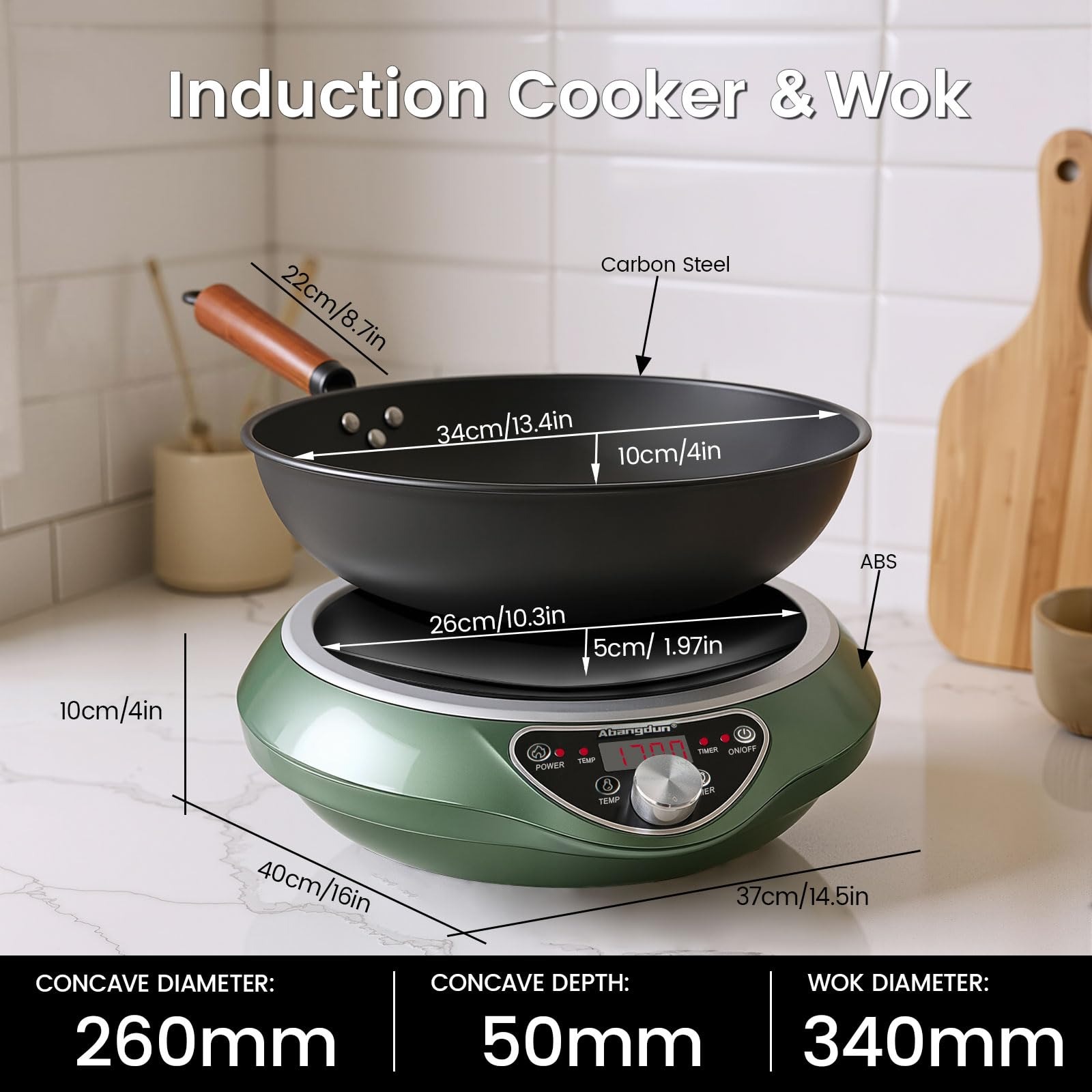
- Induction Hobs: Considered the most advanced and energy-efficient option, induction hobs use electromagnetic fields to directly heat your cookware, rather than heating the hob surface itself.Q: Which hob type is best for safety?
A: Induction hobs are generally considered the safest because the cooking surface remains relatively cool to the touch, minimizing the risk of accidental burns. They also heat up rapidly and offer precise temperature control.Induction hobs provide instant heat and precise control, often outperforming gas in terms of responsiveness. The surface stays cool, making it safer, and spills don’t burn on, simplifying cleanup. However, they do require specialist magnetic cookware.
Oven Types: Tailoring Your Bake and Roast
The oven is the heart of your cooker, and electric ovens offer fantastic stability in temperature, which is a dream for baking and roasting. Here are the main types you’ll encounter:
- Conventional Ovens: These ovens have heating elements at the top and bottom. Heat rises, so the top of the oven is typically hotter than the bottom, which can be useful for cooking different dishes that require varying temperatures simultaneously.
- Fan-Assisted Ovens: Incorporating a fan to help distribute heat from the top and bottom elements, fan-assisted ovens offer more even cooking than conventional models, though some hot spots can still occur.
- Fan Ovens (True Fan/Convection): These ovens feature a heating element around the fan itself, ensuring heat is circulated consistently throughout the cavity. This results in incredibly even cooking, faster cooking times, and allows you to cook multiple dishes at different shelf levels without flavor transfer.
- Multifunction Ovens: The most versatile option, multifunction ovens combine elements from conventional and fan ovens, often including a grill, and offer a range of specific cooking functions and pre-set programs for different foods.Q: What is a multifunction oven?
A: A multifunction oven is the most versatile type of oven, offering a wide array of cooking options such as fan cooking, conventional heating, grilling, and specialized programs like defrosting or pizza modes, giving you complete control over your culinary creations.
Cleaning Features: Keeping Your Cooker Pristine
No one loves cleaning the oven, but modern freestanding electric cookers come with features that make the chore much less daunting:
- Enamel Liners: Most basic ovens feature enamel interiors. While some are marketed as “easy clean” due to a smoother finish, they generally require manual scrubbing.
- Catalytic Liners: These liners have a special porous coating that, when heated to approximately 220°C, oxidizes grease and burnt-on food, making residues easier to wipe away with standard cleaning solutions.
- Pyrolytic Self-Cleaning: This is the ultimate in oven cleaning. A pyrolytic oven heats itself to extremely high temperatures (over 500°C), incinerating all food residue and grease into a fine ash. Once the cycle is complete and the oven has cooled, you simply sweep out the ash, leaving your oven spotless.”When it comes to maintenance, pyrolytic cleaning is a game-changer,” says Appliance Technician David Miller. “It’s a fantastic feature that genuinely saves time and effort, maintaining the longevity and efficiency of your appliance.”
Tips for Safe and Efficient Use
To get the most out of your best freestanding electric cooker, keep these practical tips in mind:
- Proper Installation: Although freestanding, your cooker still needs to be installed correctly. Ensure it’s connected to a suitable power outlet, usually within 1.5 meters, by a qualified electrician. Always allow the recommended ventilation gap around the appliance.
- Cookware Matters: If you opt for an induction hob, remember you’ll need magnetic cookware (e.g., cast iron or certain stainless steel pots and pans). A simple magnet test can confirm compatibility. For ceramic and solid plate hobs, flat-bottomed pans are best for efficient heat transfer.
- Preheat Effectively: Electric ovens typically need time to preheat to their target temperature. Allow sufficient time for the oven to reach and stabilize at the desired heat for optimal cooking results, especially for baking.
- Regular Cleaning: Depending on your oven liner type, consistent cleaning will prevent tough build-ups. For catalytic or pyrolytic ovens, follow the manufacturer’s instructions to activate their self-cleaning properties. For enamel, tackle spills promptly.
- Energy Saving: Utilize features like fan-assisted or fan ovens for quicker cooking times and lower energy consumption. When using the hob, match pan size to the hob zone to minimize wasted heat.
Popular Dishes and Creative Cooking with Your Electric Cooker
The versatility of the best freestanding electric cooker opens up a world of culinary possibilities. Its combined functionality makes it a powerhouse for a wide range of dishes:
- Roasting Perfection: Electric ovens provide consistent, even heat, making them ideal for roasting meats and vegetables to perfection. Imagine golden-brown chicken with crispy skin, or tender, succulent roasts cooked evenly throughout.
- Baking Bliss: For bakers, temperature stability is paramount. An electric oven’s precise temperature control means you can confidently bake everything from delicate soufflés to hearty sourdough breads, knowing your cakes and pastries will rise beautifully and cook evenly.
- Dynamic Hob Cooking: Whether you’re whipping up a quick stir-fry, simmering a rich stew, or boiling pasta, the electric hob offers excellent control. Induction hobs, in particular, excel at rapid heating for searing and gentle simmering for delicate sauces.
- Grilling for Flavor: The integrated grill is perfect for quick tasks like browning cheese on toast, crisping up bacon, or giving a finishing touch to gratins.
Embrace your inner chef and experiment! Your electric cooker is a reliable partner for everyday meals and ambitious culinary adventures alike.
Freestanding vs. Built-in: Making the Right Choice
The choice between a freestanding and a built-in electric cooker often comes down to personal preference, kitchen design, and budget. While built-in ovens offer a sleek, integrated look and the flexibility of eye-level installation, freestanding models boast their own unique advantages. They are generally more affordable upfront and significantly easier to install, simply slotting into an existing space without the need for bespoke cabinetry. This portability is a huge plus if you anticipate moving or reconfiguring your kitchen layout. Modern freestanding electric cookers are anything but dated; they come in a vast array of stylish designs and finishes, allowing them to be a striking focal point in your kitchen, seamlessly complementing your décor.
Frequently Asked Questions about Freestanding Electric Cookers
Curious minds often have a few questions when considering a new appliance. Here are some common queries about the best freestanding electric cooker:
Q: How wide are standard freestanding electric cookers?
A: Standard freestanding electric cookers typically come in widths of 50cm, 55cm, or 60cm, designed to fit into common kitchen unit gaps. Wider “range cooker” models are also available for larger kitchens.
Q: Do I need special pans for an induction hob?
A: Yes, induction hobs require cookware with a magnetic base, such as cast iron or specific types of stainless steel. If a magnet sticks firmly to the bottom of your pan, it’s suitable for induction.
Q: What are the benefits of a pyrolytic oven?
A: A pyrolytic oven offers the easiest cleaning experience. It uses extremely high temperatures to burn off food residues, turning them into ash that can simply be wiped away, eliminating the need for harsh chemicals and scrubbing.
Q: Can I move my freestanding electric cooker easily?
A: One of the key benefits of a freestanding electric cooker is its portability. As it’s a self-contained unit not integrated into cabinetry, it can be easily moved or taken with you if you relocate, provided there’s a suitable power outlet.
Q: Are electric cookers energy efficient?
A: Modern freestanding electric cookers, particularly those with induction hobs and fan-assisted or multifunction ovens, are designed with energy efficiency in mind. Induction technology is especially known for its efficient use of power by heating cookware directly.
Final Thoughts on Your Electric Cooker Journey
Choosing the best freestanding electric cooker is an investment in your home and your culinary journey. With its combined functionality, ease of installation, and a wealth of features from advanced hob types to self-cleaning ovens, a modern electric cooker can truly transform your kitchen experience. By considering your specific cooking habits, kitchen space, and desired features, you’re well on your way to making a smart decision that will bring delicious results for years to come. So go ahead, embrace the convenience and versatility, and get ready to cook up a storm!
|
Our Picks for the Best Electric cooker in 2026
As an Amazon Associate I earn from qualifying purchases.
|
||
| Num | Product | Action |
|---|---|---|
| 1 | Midea 10-in-1 Electric Pressure Cooker with Slow Cooker, Steamer, Saute, Sous Vide, and Bake Modes, Stovetop & Oven Safe Stainless Steel Pot, 6 Quarts |

|
| 2 | Elite Gourmet NOODLE EXPRESS™ Hot Pot, Prepare Ramen, Rice, Soups, Stews, Boil Water, Stainless-Steel Interior, Glass Lid, High/Low/Off Settings, Grey |
|
| 3 | AROMA® Rice Cooker, 3-Cup (Uncooked) / 6-Cup (Cooked), Small Rice Cooker, Oatmeal Cooker, Soup Maker, Auto Keep Warm, 1.5 Qt, White, ARC-363NG |
|
| 4 | Instant Pot Duo Plus 9-in-1 Multicooker, Pressure Cooker, Slow Cook, Rice Maker, Steamer, Sauté, Yogurt, Warmer & Sterilizer, Includes App With Over 800 Recipes, Stainless Steel, 6 Quarts |
|
| 5 | Instant Pot Duo 7-in-1 Mini Electric Pressure Cooker, Slow Rice Cooker, Steamer, Sauté, Yogurt Maker, Warmer & Sterilizer, Includes Free App with over 1900 Recipes, Stainless Steel, 3 Quart |
|
| 6 | CUCKOO Twin Pressure Rice Cooker 6-Cup Uncooked / 12-Cup Cooked with Nonstick Inner Pot, Versatile Rice Maker & Warmer with 16 Menu Options, Open Cooking Mode, Voice Guide, Gray (CRP-ST0609FG) |
|
| 7 | AROMA Digital Rice Cooker, 4-Cup (Uncooked) / 8-Cup (Cooked), Steamer, Grain Cooker, Multicooker, 2 Qt, Stainless Steel Exterior, ARC-914SBD |
|
| 8 | Elite Gourmet EG808 8” x 8\" Non-stick Electric Skillet, Dishwasher Safe with Tempered Glass Vented Lid, Rapid Heat Up, 600W, Black |
|
| 9 | Instant Pot Duo 7-in-1 Multi-Cooker, Electric Pressure Cooker, Slow Cooker, Rice, Steamer, Sauté, Yogurt Maker, Warmer & Sterilizer, Includes App With Over 800 Recipes, Stainless Steel, 6 Quarts |
|
| 10 | Dezin Electric Cooker, 2L Non-Stick Sauté Pan, Rapid Noodles Cooker, Mini Pot for Steak, Egg, Fried Rice, Ramen, Oatmeal, Soup with Power Adjustment, College Dorm Room Essential(Egg Rack Included) |
|