Stepping into a modern kitchen often means encountering sleek, efficient appliances designed to simplify our daily routines. Among these, the Electric Ceramic Cooker stands out as a true workhorse, transforming how we approach home cooking. From quick weeknight meals to elaborate weekend feasts, this appliance, often praised for its elegant design and consistent performance, is becoming an indispensable part of countless households.
A Glimpse into the Past: The Evolution of Electric Cooking
The journey of electric cooking appliances began over a century ago, revolutionizing kitchens by offering a cleaner, more controlled alternative to traditional wood-fired or gas stoves. Early electric stoves, while innovative, often featured exposed coiled elements that were slow to heat and difficult to clean. Fast forward to today, and the electric ceramic cooker represents a significant leap forward, merging advanced heating technology with user-friendly design. The integration of ceramic glass surfaces in these cookers marked a pivotal moment, offering a flat, smooth, and aesthetically pleasing cooking platform that also provided faster heat-up times and easier maintenance. This evolution underscores a continuous drive towards efficiency, safety, and convenience in our culinary spaces.
Decoding the Electric Ceramic Cooker: Types and Key Features
At its core, an electric ceramic cooker utilizes electric heating elements positioned beneath a smooth, tempered ceramic glass surface. When activated, these elements generate heat that is transferred directly to your cookware. It’s important to understand that “electric ceramic cooker” can refer to a standalone hob (cooktop) or a full range that includes an integrated oven.
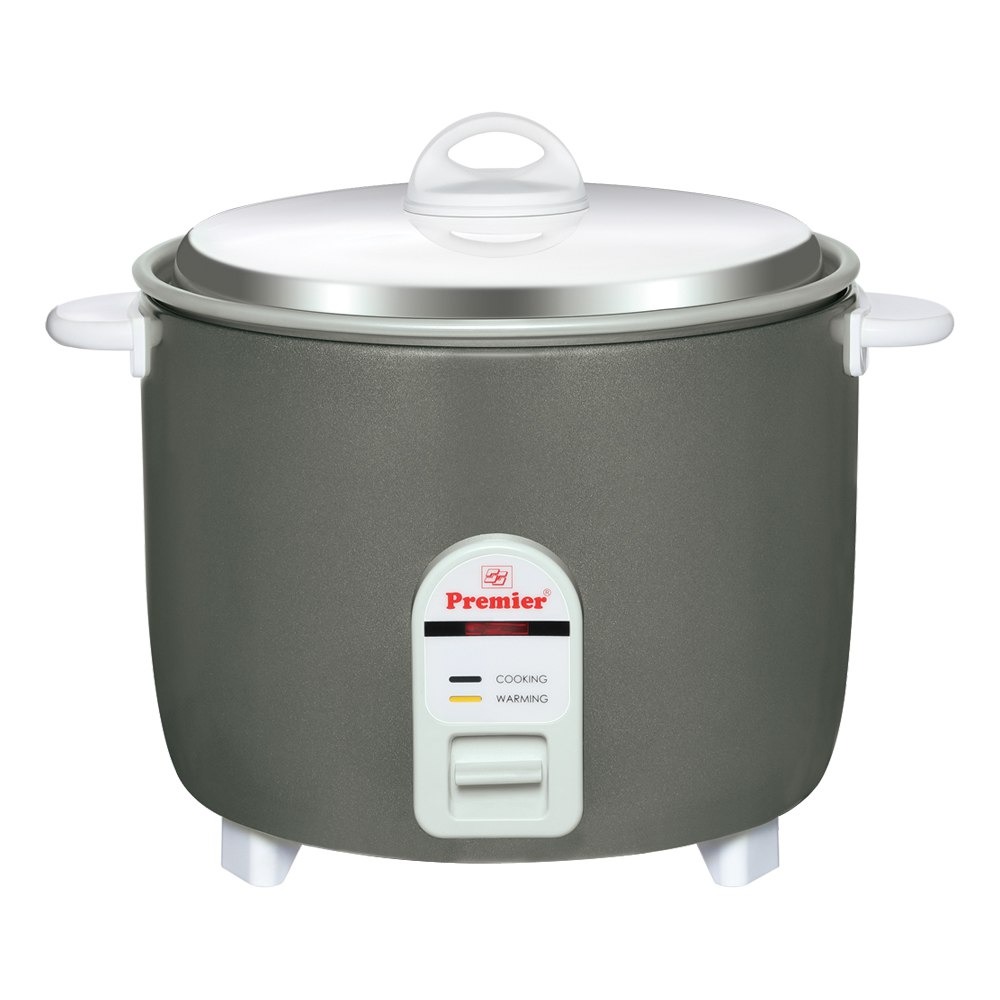
Regardless of configuration, several key features define these appliances:
- Smooth Glass-Ceramic Surface: This is the hallmark feature, providing a continuous, easy-to-clean surface that enhances kitchen aesthetics.
- Rapid Heating Elements: Unlike older electric coil stoves, ceramic cookers boast elements that heat up considerably faster, minimizing waiting times.
- Intuitive Controls: Most models feature touch controls for a seamless, minimalist look, while others may offer traditional rotary knobs. Touch controls, while sophisticated, can sometimes be overly sensitive.
- Advanced Safety Features: Modern electric ceramic cookers are equipped with crucial safety mechanisms, including:
- Residual Heat Indicators: Lights that alert you when a cooking zone is still hot to the touch, even after being switched off.
- Child Lock: A function to prevent accidental activation, keeping curious little hands safe.
- Automatic Shut-off: A safety mechanism that turns off the hob if it overheats or if a cooking zone is left on for an unusually long period.
- Oven Capabilities (for full ranges): If you choose a full electric ceramic cooker, you’ll benefit from features like electric fan ovens for even baking, and easy-clean enamel interiors that simplify maintenance. Capacities vary, accommodating anything from small single households to larger families.
“The beauty of electric ceramic cookers lies in their elegant simplicity combined with robust functionality,” notes Dr. Anya Sharma, a culinary technologist and appliance expert. “They offer a middle ground between traditional electric and advanced induction, providing excellent performance without requiring specialized cookware.”
Mastering Your Electric Ceramic Cooker: Safe and Efficient Use
To truly get the most out of your electric ceramic cooker, understanding proper usage and safety protocols is essential.
Before You Start Cooking:
- Ensure Proper Ventilation: Always cook in a well-ventilated area to prevent heat and odors from accumulating.
- Clear the Area: Remove any flammable materials, such as towels, paper, or plastic, from the vicinity of the hob.
- Check Cookware: Use pots and pans with flat, smooth, and clean bottoms. Uneven bottoms can lead to inefficient heating and potential scratching of the ceramic surface.
Operating Your Cooker:
- Power On and Select Zone: Make sure the appliance is properly connected to its power source. Select your desired cooking zone using the touch controls or knobs.
- Adjust Heat: Use the temperature controls to set the heat level. Ceramic hobs transfer heat through direct contact, so good contact between the pan and the hob is crucial for efficiency.
- Preheating: Allow the selected zone to preheat to the desired temperature. Indicator lights often show when a zone is ready.
Safety During and After Use:
- Hot Surface Hazard: The ceramic surface becomes hot during use and remains hot for a significant period afterward. Never touch the hob until the residual heat indicator light has turned off.
- Appropriate Cookware: Always use heat-resistant cookware. Avoid plastic or foil, which can melt and damage the surface.
- No Dragging: Lift pans rather than sliding them across the hob to prevent scratches.
- Child Safety: Activate the child lock feature when the hob is not in use, especially in households with young children.
- Disconnect if Damaged: If the glass surface cracks or breaks, immediately disconnect the cooker from the main power supply and contact a qualified technician.
Elevate Your Culinary Game: Tips and Tricks for Optimal Cooking
Beyond basic operation, a few clever tips can help you optimize your electric ceramic cooker for better results and longer lifespan.
- Utilize Residual Heat: Ceramic hobs retain heat well. For dishes that require simmering or for keeping food warm, turn off the heating zone a few minutes before the cooking time is complete. The residual heat will continue to cook or warm your food, saving energy.
- Match Pan Size to Zone: Always use cookware that matches the size of the cooking zone. Using a small pan on a large zone wastes energy, while a large pan on a small zone results in uneven cooking.
- Use Lids: Covering your pots and pans significantly reduces heat loss, speeding up cooking times and improving energy efficiency.
- Gentle Cleaning for Longevity: For daily cleaning, a simple wipe with a damp cloth once the surface has cooled is usually sufficient. For stubborn spills, use a specialized ceramic hob cleaner and a soft cloth, avoiding abrasive scourers that can scratch the glass. Dr. Sharma advises, “Always clean spills promptly. Dried-on food can be much harder to remove and may even burn onto the surface with subsequent use.”
- Avoid Overloading: Don’t place excessively heavy pots or pans on the ceramic surface, as this can lead to damage.
The Unbeatable Benefits: Why an Electric Ceramic Cooker is a Smart Choice
Choosing an electric ceramic cooker brings a host of advantages to any kitchen, making it a compelling option for many home cooks.
- Healthier Cooking Environment: Unlike some traditional non-stick coatings, ceramic surfaces are generally free from PTFE and PFOA. This means you can cook with peace of mind, knowing that harmful fumes or toxins aren’t leaching into your food.
- Effortless Cleaning: The smooth, flat glass surface is incredibly easy to wipe clean. Say goodbye to scrubbing around fiddly gas burners or dealing with exposed electric coils. A quick wipe-down after cooling is often all it takes to keep it sparkling.
- Sleek Aesthetics: With their minimalist design and flush installation, electric ceramic cookers add a touch of modern sophistication to any kitchen decor, creating a streamlined and spacious feel.
- Even Heat Distribution: Ceramic cookers are known for their ability to distribute heat uniformly across the cooking surface. This consistency helps prevent hot spots, ensuring your food cooks evenly, whether you’re simmering a sauce or searing meat.
- Versatility: These appliances are incredibly versatile, compatible with almost all types of flat-bottomed cookware, including stainless steel, cast iron, glass, and copper. This flexibility allows for a wide range of cooking methods, from frying and sautéing to simmering and boiling.
- Affordability: Electric ceramic cookers often strike a sweet spot in the market, being more affordable than induction models while offering a similar modern aesthetic and significant improvements over basic electric coil stoves.
- Energy Efficiency: With rapid heat-up times and the ability to utilize residual heat, ceramic cookers can be quite energy-efficient, potentially saving you money on electricity bills.
Deliciously Easy: Popular Dishes and Creative Recipes
An electric ceramic cooker is a fantastic platform for a vast array of dishes. Its consistent heat and easy cleanup make everyday cooking a joy.
For instance, leverage the residual heat for simple pasta dishes. Boil water, add pasta, and once it’s al dente, turn off the hob and let it finish cooking in the residual heat while you prepare your sauce. This technique works wonderfully for rice, too, helping to achieve that perfect fluffy texture.
Consider quick stir-fries, where the even heat ensures vegetables cook crisply and meats brown beautifully. A simple chicken and vegetable stir-fry can be ready in minutes. For breakfast, whip up a fluffy omelet or perfectly cooked pancakes, enjoying the consistent heat across the pan.
“The key is to embrace the uniform heat,” says Dr. Sharma. “It opens up possibilities for delicate sauces, perfectly seared proteins, and even slow-cooked stews if you utilize the lower settings and residual heat smartly.”
You can also explore making delicious one-pot meals, from hearty stews and casseroles to creamy risottos, knowing your electric ceramic cooker will maintain a steady temperature throughout the cooking process.
Frequently Asked Questions about Electric Ceramic Cookers
Q: Are electric ceramic cookers energy efficient?
A: Yes, electric ceramic cookers are generally considered energy-efficient. They heat up quickly and, crucially, retain heat well, allowing you to turn off the hob a few minutes early and let residual heat complete the cooking process, thereby saving energy.
Q: What kind of cookware can I use on an electric ceramic cooker?
A: Electric ceramic cookers are highly versatile and compatible with almost all types of flat-bottomed cookware, including stainless steel, cast iron, aluminum, glass, and ceramic. The key is a flat base for optimal contact and heat transfer.
Q: How do I clean a ceramic hob without scratching it?
A: For daily cleaning, use a damp cloth and a mild detergent once the surface has cooled. For tougher stains, use a specialized ceramic hob cleaner and a non-abrasive sponge or cloth. Avoid metal scourers or harsh chemicals that can scratch the delicate glass surface.
Q: Is it safe to leave food on a ceramic hob after turning it off?
A: While the residual heat can keep food warm or continue slow cooking, it’s generally not recommended to leave food on a hot hob unattended. Always be mindful of safety and transfer food to appropriate serving dishes once cooked.
Q: What’s the difference between ceramic and induction cooktops?
A: Both ceramic and induction cooktops have sleek glass surfaces, but their heating methods differ. Ceramic hobs use radiant electric elements to heat the glass surface, which then heats the pan. Induction cooktops use electromagnetic fields to directly heat compatible (magnetic) cookware, leaving the hob surface cooler to the touch. Induction is typically faster and more precise but requires specific cookware.
Q: Do ceramic cookers have special safety features?
A: Absolutely. Modern electric ceramic cookers come equipped with important safety features such as residual heat indicators (lights that show when a zone is still hot), automatic shut-off functions to prevent overheating, and child locks to prevent accidental use.
Embrace Modern Cooking with Confidence
The electric ceramic cooker is more than just an appliance; it’s a testament to how far kitchen technology has come. Combining sleek design, reliable performance, and user-friendly features, it empowers home cooks to create delicious meals with greater ease and confidence. By understanding its benefits, proper usage, and maintenance, you can unlock the full potential of your electric ceramic cooker and make it a central, celebrated part of your culinary journey. So go ahead, explore new recipes, and enjoy the seamless cooking experience this modern marvel brings to your home.