Stepping into a modern kitchen, you’ll often find one appliance standing at its heart, ready to transform raw ingredients into delicious meals: the Electric Cooker And Hob. This versatile powerhouse is more than just a place to cook; it’s an integrated culinary station designed for efficiency, precision, and convenience. If you’re pondering an upgrade or setting up a new home, understanding the ins and outs of an electric cooker and hob is essential for making an informed decision that truly elevates your cooking experience. Let’s fire up our knowledge and explore everything these appliances have to offer.
Unveiling the Electric Cooker and Hob: What Exactly Are We Talking About?
When we talk about an electric cooker and hob, we’re typically referring to a freestanding electric range that combines an oven, a grill, and a cooking surface (or “hob”) into a single, cohesive unit. Think of it as your kitchen’s multi-tool, ready to roast, bake, grill, and simmer all in one go. The evolution of electric cooking has come a long way from rudimentary coil elements, now offering sleek designs and advanced technologies that cater to every culinary need.
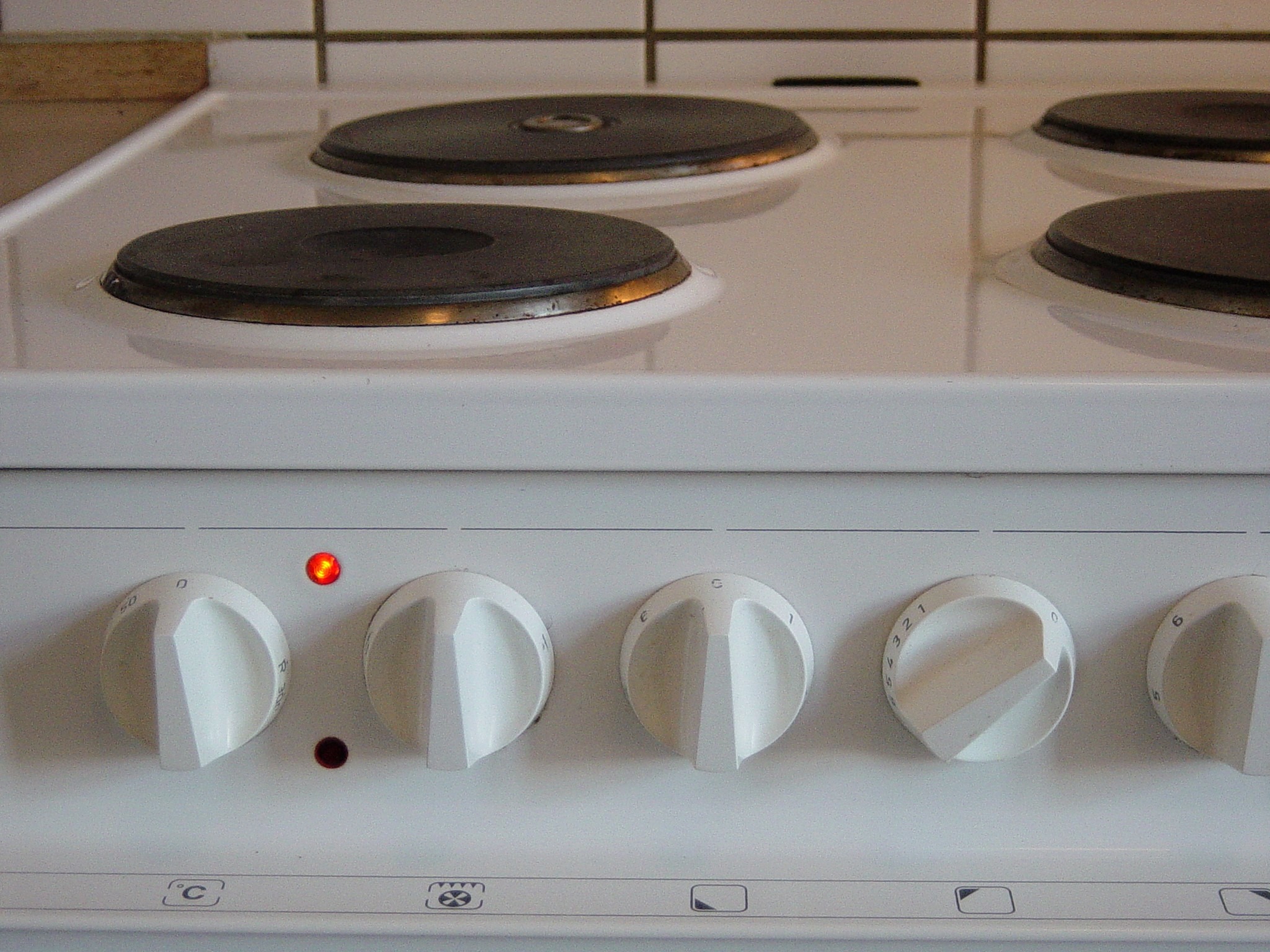
The core idea behind these appliances is simplicity and integration. Instead of separate wall ovens and cooktops, an electric cooker provides an all-in-one solution, saving space and often simplifying installation. This makes them a popular choice for many households, from compact apartments to bustling family kitchens.
A Deep Dive into Hob Types: Ceramic, Induction, and Solid Plate
The “hob” or cooktop section of your electric cooker is where the magic of stovetop cooking happens, and electric models offer several distinct types, each with its own benefits.
Ceramic Hobs: Sleek and Easy
Ceramic hobs feature a smooth, glass-ceramic surface with heating elements beneath. When activated, these elements heat the glass, which then transfers radiant heat to your cookware.
- Pros: Easy to clean with a flat surface, modern aesthetic, efficient heat transfer, and generally more affordable than induction.
- Cons: Slower to heat up and cool down than induction, and residual heat can be a burn risk or continue cooking food unintentionally. They require flat-bottomed cookware for optimal contact.
Induction Hobs: The Future of Precision Cooking
Induction hobs are often considered the pinnacle of electric cooking technology. Instead of heating the surface itself, they use electromagnetic fields to generate heat directly within your compatible pot or pan.
- Pros: Extremely fast heating and cooling, precise temperature control (rivaling gas), highly energy-efficient (up to 90% efficiency as heat is directly in the pan), and safer as the hob surface remains relatively cool.
- Cons: Higher initial cost, requires specific magnetic cookware (check with a magnet – if it sticks, the pan works), and some users report a slight humming noise at high power settings.
Solid Plate Hobs: Traditional and Reliable
Solid plate electric hobs feature traditional, raised cast-iron plates that heat up when electricity passes through them. These are the classic, no-frills option you might remember from older kitchens.
- Pros: Most budget-friendly, compatible with all types of cookware (no special pans needed), simple to operate, and very durable.
- Cons: Slower to heat up and cool down, less energy-efficient as heat is lost to the surroundings, and their raised nature can make them harder to clean than smooth surfaces.
Beyond the Hob: Exploring Electric Oven Features
The oven component of an electric cooker and hob unit is equally diverse, offering a range of options to suit every baker and roaster.
Single vs. Double Ovens
- Single Oven Cookers: Typically offer one large main cavity (60-70 liters) suitable for most everyday cooking. They are often simpler and more affordable. Many include a separate grill compartment.
- Double Oven Cookers: Provide two separate oven cavities, allowing you to cook different dishes at varying temperatures simultaneously. This is ideal for larger families or those who frequently entertain. The top oven often doubles as a grill.
Convection, Fan, and Smart Cooking Modes
Modern electric ovens come packed with features designed to make cooking easier and more effective:
- Fan Ovens: Circulate hot air evenly throughout the cavity, ensuring consistent cooking results and often reducing cooking times.
- Convection Ovens: An advanced form of fan oven that uses an additional heating element around the fan for even greater temperature stability and faster cooking.
- Smart Cooking Modes: Many models now include functions like Air Fry, Steam Roast, or even Air Sous Vide, allowing you to achieve professional results with minimal effort. Some even offer Wi-Fi connectivity, letting you preheat your oven or check cooking times from your smartphone.
Choosing Your Perfect Match: Key Considerations When Buying
Selecting the right electric cooker and hob means balancing your culinary ambitions with practical considerations for your home.
Capacity and Size: Fitting Your Lifestyle
Think about your household size and cooking habits.
- Capacity: Oven capacities typically range from 50 to 70 liters. For larger families or avid home cooks, a minimum of 65 liters or a double oven is highly recommended.
- Width: Common widths are 50cm (slimline for compact kitchens), 60cm (standard fit for most kitchens), and 90cm (range cookers for expansive cooking zones).
Energy Efficiency: Cooking Smarter, Not Harder
Energy ratings are crucial for minimizing running costs and environmental impact. Look for models with an A-rated (or higher) energy efficiency classification. Induction hobs, in particular, are lauded for their superior energy efficiency, converting up to 90% of energy into heat for the pan, significantly outperforming traditional electric hobs. Choosing an efficient model could save you up to £60 annually compared to older appliances.
Cleaning Systems: Making Life Easier
Let’s be honest, nobody enjoys scrubbing a greasy oven. Modern electric cookers offer various cleaning aids:
- Easy Clean Enamel: A smooth, non-stick interior coating that makes wiping away spills a breeze.
- Steam Clean: Uses water and heat to loosen baked-on food, making manual cleaning simpler.
- Pyrolytic Self-Cleaning: The oven heats to extremely high temperatures, burning food residue to ash, which can then be easily wiped away.
Controls and Smart Features: Modern Convenience
From tactile rotary dials to sleek touch controls, consider what feels most intuitive. Many high-end models offer smart features like Wi-Fi connectivity, allowing remote control via a smartphone app, integration with voice assistants, and pre-programmed settings for popular dishes.
Getting the Most Out of Your Electric Cooker and Hob: Tips for Safe and Efficient Use
To truly master your electric cooker and hob, a few practical tips can make a world of difference.
The Right Cookware Matters
- Induction Hobs: Absolutely require magnetic (ferrous) cookware. If a magnet sticks to the bottom of your pot or pan, you’re good to go! Using non-compatible pans will simply not generate heat. [cite: