Stepping into the modern kitchen, one appliance consistently stands out for its blend of style, efficiency, and culinary prowess: the Electric Cooker Top. This essential piece of cooking technology has revolutionized how we approach meal preparation, moving far beyond the simple hot plate to become a sophisticated hub of gastronomic creation. Whether you’re a seasoned chef or just starting your culinary journey, understanding the nuances of the electric cooker top is key to unlocking your kitchen’s full potential and making smarter cooking choices.
The Evolution of Electric Cooker Tops: A Culinary Journey
The concept of using electricity for cooking dates back over a century, beginning with rudimentary coil burners. These early electric cooker top models offered a simple, reliable heat source, gradually gaining popularity for their convenience compared to wood or coal stoves. Fast forward to today, and the electric cooker top has undergone a remarkable transformation. From the traditional exposed coils to the sleek, integrated glass surfaces, and now the cutting-edge induction technology, each iteration has aimed to enhance safety, improve efficiency, and elevate the cooking experience. This evolution reflects a continuous drive towards making kitchens more functional, aesthetically pleasing, and environmentally conscious, solidifying the electric cooker top’s vital role in contemporary homes.
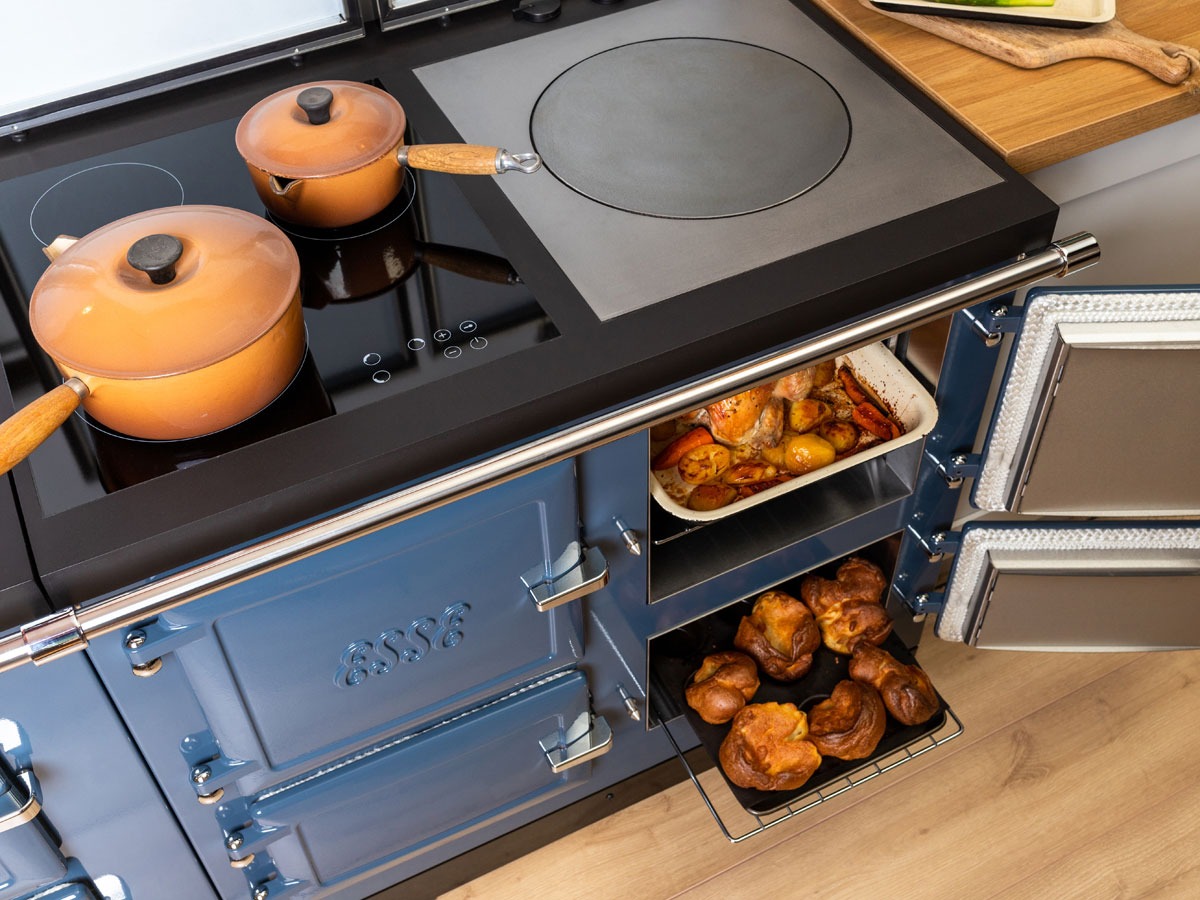
Unpacking the Different Types of Electric Cooker Tops
When it comes to selecting an electric cooker top, the options can seem overwhelming. However, they generally fall into a few distinct categories, each with its unique characteristics, advantages, and ideal use cases.
Traditional Coil Burners: The Workhorse
These are the electric cooker tops many of us grew up with, featuring visible, exposed metal coils that heat up when electricity passes through them.
- Pros: Generally the most affordable option, simple to operate, and compatible with virtually any type of cookware.
- Cons: Slower to heat up and cool down, harder to clean due to crevices, and often considered less aesthetically pleasing. Heat distribution can be less even than other types.
Sleek Radiant Smoothtops: Style Meets Function
Radiant smoothtops, often made from ceramic or glass, conceal heating elements beneath a flat, easy-to-clean surface. These elements radiate heat upwards through the surface to your cookware.
- Pros: Modern, sleek appearance that integrates seamlessly into kitchen countertops. Easy to wipe clean. Often feature residual heat indicators for safety.
- Cons: Can be slow to respond to temperature changes. The glass surface can be prone to scratches or potential damage if heavy pots are dropped or abrasive cleaners are used. They also retain heat for a while after being turned off, requiring caution.
The Power of Induction: Precision and Efficiency
Induction electric cooker tops represent the pinnacle of electric cooking technology. They use electromagnetic fields to directly heat the cookware itself, rather than heating the cooktop surface.
- Pros: Incredibly fast heating times, precise temperature control comparable to gas, and exceptional energy efficiency. The cooktop surface remains relatively cool to the touch, making it the safest option, especially around children.
- Cons: Requires specific magnetic cookware (e.g., cast iron, stainless steel with a magnetic base). Can be a higher initial investment than other types of electric cooker tops.
Portable Electric Cooker Tops: Your Flexible Kitchen Companion
Beyond built-in units, portable electric cooker tops offer immense versatility. These single or double burner units are perfect for small kitchens, dorms, RVs, outdoor cooking, or as an extra cooking zone for holiday feasts.
- Types: Available in coil, cast iron, infrared, and induction variants, offering different levels of power and precision.
- Uses: Ideal for simmering sauces, keeping food warm, or cooking simple meals on the go. “An induction burner is powerful, quick at heating, and can hold temperatures to a single degree of accuracy,” notes Chef Chris DiMaio, executive chef and owner of Montana Craft Kitchen, highlighting their utility for specific tasks like poaching eggs or even sous vide.
Key Features to Look for in Your Next Electric Cooker Top
Choosing the right electric cooker top involves more than just picking a type; it’s about matching features to your cooking habits and kitchen layout.
- Size and Number of Burners: Cooktops typically range from 24 to 36 inches for built-in models, with 30-inch and 36-inch being popular choices, often housing four to five burners. Portable units can have one or two. Consider your family size and cooking frequency.
- Control Interfaces (Knobs vs. Touch): Traditional knobs offer tactile feedback, while sleek touch controls provide a modern look and are often easier to clean on smoothtops.
- Expandable Elements and Bridge Zones: Some models offer elements that can adjust in size to fit different cookware, or bridge zones that connect two burners to accommodate larger griddles or roasting pans.
- Precision Heat Control and Power Output: Look for models with high-power elements for quick boiling (3,000W+ is excellent) and precise simmer settings for delicate dishes. Induction cooktops excel in this area.
- Essential Safety Features: Residual heat indicators are crucial for smoothtops, while automatic shutoff, child locks, and auto-pan detection (for induction) enhance safety in any kitchen.
- Material and Durability: Ceramic glass is common for smoothtops, praised for its modern look and ease of cleaning, though care is needed to prevent scratches.
Navigating Your Electric Cooker Top: Safe and Efficient Use
To get the most out of your electric cooker top, knowing how to use it safely and efficiently is paramount.
- Proper Cookware Selection: For radiant and coil cooktops, flat-bottomed pots and pans are essential for optimal heat transfer and even cooking. For induction, only magnetic cookware will work. A simple magnet test can confirm compatibility.
- Temperature Management Tips: Electric cooker tops, especially radiant ones, benefit from preheating. Give them a few minutes to reach the desired temperature before adding food. Learn your cooktop’s settings; a medium setting on one brand might be different on another.
- Energy-Saving Habits: Utilize residual heat on ceramic smoothtops by turning off the burner a few minutes before your dish is fully cooked. Match pot size to burner size to avoid wasting energy.
Maximizing Your Meals: Tips and Tricks for Electric Cooker Top Cooking
Unlocking the full potential of your electric cooker top goes beyond basic operation. Here are some pro tips to elevate your cooking:
- Preheating Strategies: For tasks like searing meats or stir-frying, preheat your electric cooker top and pan adequately before adding ingredients. This ensures even browning and prevents food from sticking.
- Utilizing Residual Heat: On radiant smoothtops, the surface stays hot for a while after being turned off. This residual heat can be used to finish cooking delicate items, gently warm food, or even save a little energy.
- Cleaning and Maintenance Routine:
- Daily: Wipe down your electric cooker top after each use with a damp cloth and mild detergent. For smoothtops, specialized glass ceramic cleaners are recommended to keep them streak-free and prevent permanent damage from spills.
- Deep Clean: Address stubborn, burnt-on food with non-abrasive scrubbers and specific cooktop cleaning solutions. Always unplug coil burner models before cleaning. Avoid dragging pots, as this can lead to scratches on glass surfaces.
The Benefits of Embracing an Electric Cooker Top
Electric cooker tops offer a compelling array of advantages that make them a popular choice for many households:
- Modern Aesthetics: Especially smoothtop and induction models, which provide a clean, seamless look that enhances any kitchen’s decor.
- Ease of Cleaning: The flat surfaces of radiant and induction cooktops are incredibly easy to wipe clean, eliminating the nooks and crannies found in gas ranges.
- Accessibility: An electric cooker top doesn’t require a gas line, making installation simpler and suitable for a wider range of homes, including those relying solely on electricity.
- Consistent Heating: Once preheated, electric elements provide a steady, even heat distribution, which is excellent for simmering and consistent cooking.
Culinary Creativity: Popular Dishes and Recipes for Your Electric Cooker Top
Your electric cooker top is a versatile tool for countless dishes.
- Breakfast Staples: Perfect for fluffy pancakes, scrambled eggs, or crispy bacon. The consistent heat allows for even cooking.
- Simmering Perfection: Ideal for slow-cooking sauces, stews, and soups, especially with precise low-heat settings.
- Sautéed Vegetables: Achieve perfectly tender-crisp vegetables with radiant or induction heat, ensuring quick and even cooking.
- Boiling Pasta & Grains: While traditional electric may take a moment longer than induction, it consistently boils water for pasta, rice, and other grains. Induction, however, brings water to a boil remarkably fast.
Frequently Asked Questions About Electric Cooker Tops
What is the most energy-efficient electric cooker top?
Induction electric cooker tops are generally the most energy-efficient because they heat the cookware directly, minimizing heat loss to the surrounding air.
Can I use any pot on an electric cooker top?
For coil and radiant smoothtops, most flat-bottomed cookware works well. However, induction electric cooker tops require specific magnetic cookware.
How do I clean a ceramic glass electric cooker top without scratching it?
Always use specialized ceramic cooktop cleaners and a non-abrasive cloth or sponge. Clean spills promptly, especially sugary ones, and avoid dragging heavy pots across the surface.
Are electric cooker tops safe?
Yes, modern electric cooker tops incorporate various safety features like residual heat indicators, automatic shut-offs, and child locks. Induction cooktops are particularly safe as their surfaces remain relatively cool.
What’s the main difference between radiant and induction electric cooker tops?
Radiant cooktops heat via elements beneath a glass surface, which then transfers heat to the cookware. Induction cooktops use electromagnetism to directly heat the magnetic cookware itself, making them faster and more efficient.
Concluding Your Culinary Journey
The electric cooker top has firmly established itself as an indispensable appliance in the modern kitchen, blending seamlessly into various lifestyles and cooking preferences. From the robust simplicity of coil burners to the elegant efficiency of radiant smoothtops and the unparalleled precision of induction technology, there’s an electric cooker top designed to meet every culinary need. As Chef Anya Sharma, a culinary technologist, often says, “The right electric cooker top transforms a functional kitchen into a creative hub. Understanding its nuances, especially the leap from radiant to induction, empowers home cooks to achieve restaurant-quality results with surprising ease and efficiency.” Embrace the power and versatility of this remarkable appliance, and redefine your cooking experience, one delicious meal at a time.