Stepping into a modern kitchen often means encountering incredible innovations that transform how we cook. Among these, the Electric Induction Range Cooker stands out as a true game-changer, promising efficiency, precision, and a cleaner cooking experience. Forget traditional gas flames or radiant electric coils; induction technology uses magnetism to revolutionize your culinary journey, making cooking faster, safer, and remarkably precise. If you’ve been curious about upgrading your kitchen and want to understand why so many home cooks and professional chefs are making the switch, you’ve come to the right place.
The Spark of Innovation: A Brief History of Induction Cooking
While induction technology might feel incredibly modern, its roots stretch back further than you might imagine. The concept of using electromagnetic fields to heat cookware was first publicly demonstrated at the Chicago World’s Fair in 1933, showcasing a revolutionary way to cook without direct heat. However, it took decades for the technology to become widely accessible and refined for home use. For years, induction cooking was a staple in European kitchens, with over 35% of homes adopting it. Today, this efficient and emission-free method is rapidly gaining traction globally, with a significant percentage of households considering an electric induction range cooker for their next appliance upgrade.
Understanding the Magic: How an Electric Induction Range Cooker Works
At its heart, an electric induction range cooker operates on a fascinating principle: electromagnetism. Beneath the smooth, glass-ceramic surface of the cooktop are copper coils. When you turn on a cooking zone, an alternating electric current flows through these coils, generating a dynamic electromagnetic field. When a compatible pot or pan is placed on this zone, the magnetic field induces an electrical current, known as an “eddy current,” directly within the base of the cookware. It’s this eddy current, encountering the electrical resistance of the pan’s metal, that generates heat—and it generates it inside the pan itself!
This direct heating method is fundamentally different from gas or traditional electric stoves. Gas uses an open flame to heat the pan indirectly, while radiant electric cooktops heat a coil or element that then transfers heat to the pan. With induction, the cookware becomes its own heat source, meaning very little energy is lost to the surrounding air. This not only makes cooking incredibly efficient but also ensures that the cooktop surface remains relatively cool to the touch, only getting warm from residual heat transferred from the hot pan.
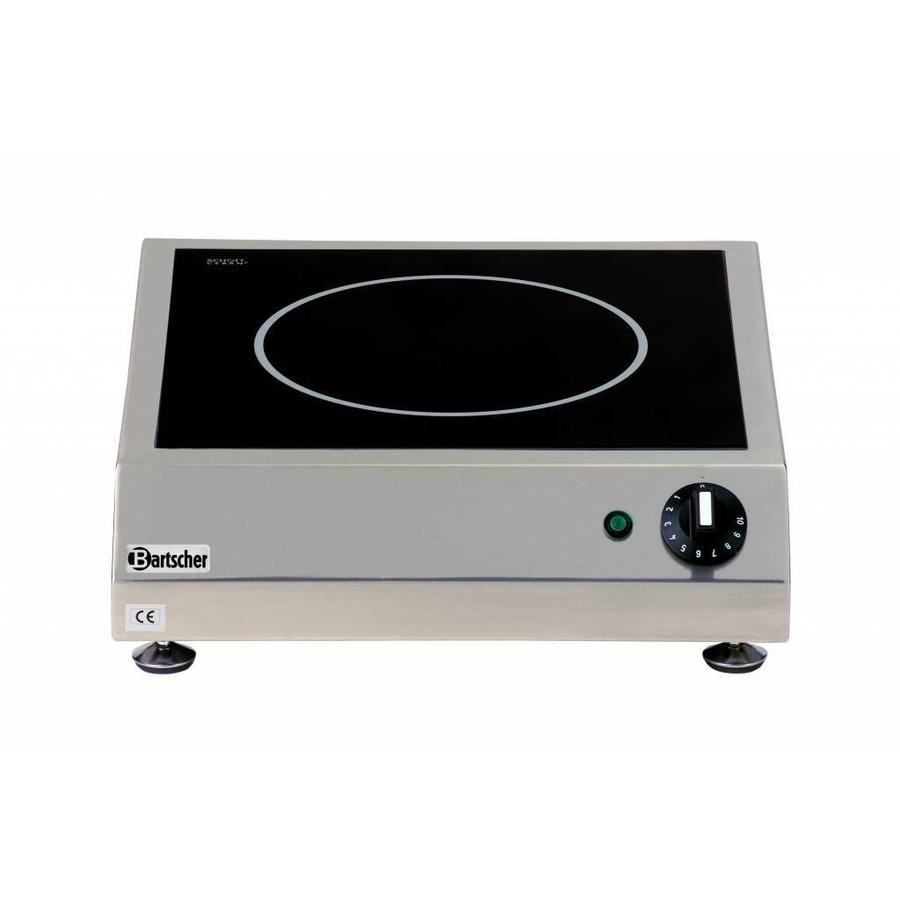
Your Culinary Companion: Types and Key Features of Electric Induction Range Cookers
Choosing the right electric induction range cooker involves understanding the various types and features available. From sleek designs to advanced functionalities, there’s an induction range for nearly every kitchen and cooking style.
What Are the Main Types of Induction Range Cookers?
Primarily, you’ll find freestanding and slide-in models. Freestanding ranges typically have finished sides and a backguard, making them suitable for placing anywhere in your kitchen. Slide-in models are designed to fit between cabinets for a seamless, built-in look, often with controls at the front for easy access and a slightly overlapping cooktop to prevent crumbs from falling between the counter and the range.
What Features Should I Look for in an Electric Induction Range Cooker?
When shopping, consider these vital features:
- Cooking Zones and Bridge Elements: Look for multiple cooking zones with varying power levels. Some models offer “bridge elements” that allow you to link two zones together, creating a larger heating area perfect for griddles or oversized pans.
- Power Boost Function: This feature temporarily delivers extra power to a cooking zone, ideal for rapidly boiling water or quickly searing food.
- Precise Temperature Controls: Many induction ranges offer incredibly granular control settings, sometimes in half-step increments, allowing for precise adjustments from a roaring boil to a gentle simmer.
- Automatic Pan Detection and Sizing: Induction cooktops automatically detect the presence and size of compatible cookware, only activating the magnetic field within the pan’s footprint, further enhancing efficiency and safety.
- Control Interface: Decide between intuitive touch controls embedded in the glass surface or traditional knobs, which some cooks prefer for tactile feedback.
- Oven Capabilities: Induction ranges often feature advanced oven functions like true convection for even baking, warming drawers to keep food hot, and self-cleaning modes for convenience.
- Smart Features & Connectivity: Higher-end models may include Wi-Fi connectivity, allowing you to control oven functions, receive notifications, or even download recipes via a smartphone app.
- Power Requirements: Most full-sized electric induction range cooker units require a dedicated 220-240 volt circuit, similar to an electric dryer. However, portable induction cooktops can operate on a standard 120-volt outlet. If you’re replacing a gas range, you may need an electrical upgrade. Some innovative models even offer a battery backup system, allowing cooking during power outages from a standard 120V outlet.
The Unbeatable Benefits of Cooking with Induction
Making the switch to an electric induction range cooker brings a host of advantages that can elevate your cooking game and improve your kitchen environment.
Why is Induction Cooking So Fast and Precise?
Induction cooking heats your cookware directly and almost instantly. This means water boils up to 50% faster than on traditional electric or gas cooktops. “It’s like having immediate control over the heat,” says culinary expert Chef Isabella Rossi. “You can go from a rapid boil to a delicate simmer in seconds, allowing for unmatched precision in your cooking.” This responsiveness is a dream for delicate sauces and perfectly seared proteins.
How Does Induction Contribute to Energy Efficiency and a Greener Kitchen?
Induction cooktops are incredibly energy efficient, transferring approximately 90% of the energy produced directly to the pan. Compare this to gas stoves, which convert only 40-55% of their energy into cooking heat, or traditional electric cooktops at 65-70%. This efficiency reduces energy consumption and lowers utility bills. Furthermore, because there’s no open flame or radiant element, induction cooking produces fewer indoor air pollutants and less ambient heat, making your kitchen cooler and more comfortable, especially during warmer months.
Is Induction Cooking Safer Than Gas or Electric?
Absolutely. With no open flames or glowing hot electric coils, the risk of accidental burns or fires is significantly reduced. The cooktop surface itself only gets warm from residual heat transferred from the pan, and it cools down quickly once the pan is removed. Many models also feature automatic shut-off functions and child locks for added peace of mind.
How Easy is it to Clean an Induction Cooktop?
Cleaning an induction cooktop is remarkably easy. The smooth, glass-ceramic surface lacks crevices where food can get trapped. Since the cooktop doesn’t get hot enough to bake on spills, messes can often be wiped away with a damp cloth or sponge, making cleanup a breeze after even the most adventurous cooking sessions.
Navigating the Nuances: Tips for Using Your Induction Range Cooker Effectively
To truly master your electric induction range cooker, a few simple tips will ensure a smooth and enjoyable experience.
Do I Need Special Pans for Induction Cooking?
Yes, induction cooktops require magnetic cookware. The easiest way to check if your existing pots and pans are compatible is to hold a magnet to the bottom. If it sticks firmly, you’re good to go! Compatible materials include cast iron, enameled cast iron, and many types of stainless steel. Cookware made of aluminum, copper, or glass typically won’t work unless they have a magnetic base layer. Don’t worry, most new cookware is induction-ready, and a simple magnet test will confirm.
What About Pan Placement and Sizing?
For optimal performance, ensure your cookware is centered on the cooking zone and that the pan’s base covers most of the zone. While induction cooktops have auto-sizing features, using pans that are too small or too large for a zone can sometimes lead to less efficient heating or error messages.
How Can I Optimize Cooking with My Induction Range?
“Experiment with the power settings,” advises Chef Rossi. “The instant response means you might need to adjust more quickly than you’re used to. For searing, a high power boost setting works wonders, while delicate sauces benefit from the precise low-heat control.” Don’t be afraid to try different power levels to achieve your desired results.
Whipping Up Wonders: Popular Dishes and Creative Recipes
The versatility of an electric induction range cooker opens up a world of culinary possibilities. Its precise temperature control is perfect for:
- Perfectly Seared Steaks and Fish: Achieve that coveted crispy exterior and juicy interior with high, consistent heat.
- Delicate Sauces and Custards: Maintain exact temperatures to prevent scorching or curdling.
- Rapid Boiling for Pasta or Blanching Vegetables: Cut down prep time significantly.
- Stir-fries and Sautéing: Quick, even heat ensures ingredients cook uniformly.
From a quick weeknight stir-fry to an elaborate holiday feast, your induction range cooker provides the tools for consistent and delicious results every time.
Common Concerns and Troubleshooting for Your Electric Induction Range Cooker
While induction ranges are generally reliable, understanding potential minor issues can help you troubleshoot effectively.
Why Does My Induction Cooker Make Noise?
It’s normal for induction cooktops to produce some low-level noise, such as a slight buzzing or humming sound, especially when using lightweight pans or at higher power settings. This is usually due to the vibration of the cookware itself interacting with the magnetic field. A faint clicking sound might also occur as components expand and contract with temperature changes. If you hear loud rattling or grinding, check if the cooling fan vents are obstructed.
What if My Induction Cooktop Isn’t Heating Properly?
The most common culprit is incompatible cookware. Always double-check with the magnet test. Ensure the pan is properly centered on the cooking zone and the surface is clean, free of debris. Sometimes, an induction cooktop might “power cycle” by briefly cutting power at high temperatures, which is a normal protective function. If problems persist, check your circuit breaker or consider resetting the cooktop by unplugging it for a few minutes.
Can My Induction Cooktop Surface Get Scratched?
Yes, the glass-ceramic surface can scratch if heavy or rough-bottomed pans are dragged across it. Always lift your cookware rather than sliding it. Using appropriate cleaners and soft cloths for maintenance will also help keep your surface pristine.
Are There Any Electrical Concerns with an Induction Range Cooker?
As mentioned, most full-sized induction ranges require a 240-volt circuit. If your kitchen isn’t equipped for this, you’ll need a professional electrician to install the correct wiring. Persistent electrical issues like frequent circuit trips should prompt a call to a qualified technician to ensure proper installation and grounding.
Frequently Asked Questions About Electric Induction Range Cookers
Q: Is an electric induction range cooker worth the investment?
A: While induction ranges often have a higher upfront cost than traditional electric or gas stoves, their superior energy efficiency, faster cooking times, precise control, and enhanced safety features often lead to long-term savings and a more enjoyable cooking experience, making them a worthwhile investment for many.
Q: Can I use all my old pots and pans on an induction cooktop?
A: No, only cookware with a magnetic base is compatible with induction cooktops. You can easily test your existing pots and pans with a simple magnet. If the magnet sticks, the cookware will work.
Q: How do I clean an induction cooktop?
A: Induction cooktops are generally very easy to clean. Since the surface doesn’t get hot enough to bake on spills, simply wipe away messes with a damp cloth and mild detergent. For tougher stains, a specialized ceramic cooktop cleaner can be used.
Q: Is induction cooking healthy?
A: Yes, induction cooking is considered a healthy option. It produces no open flame or combustion byproducts, leading to better indoor air quality compared to gas stoves. The precise temperature control can also help prevent overheating oils, preserving nutrient integrity.
Q: Do induction cooktops automatically turn off?
A: Many induction cooktops come equipped with safety features like automatic shut-off, which activates if a pan is removed or if a cooking zone is left on for an extended period without a pan. This adds an extra layer of safety to your kitchen.
Q: Can induction cooktops work during a power outage?
A: Standard full-sized induction ranges require electricity to operate and will not work during a power outage unless you have a generator or a model equipped with a battery backup system, a feature becoming available in newer designs.
Embrace the Future of Cooking
The electric induction range cooker truly represents a leap forward in kitchen technology, blending innovative science with practical, everyday usability. From its remarkable speed and precision to its energy efficiency and enhanced safety, this appliance offers a compelling upgrade for any home cook. By understanding its benefits and how to best utilize its features, you can unlock a world of culinary possibilities, making every meal preparation a more efficient, enjoyable, and rewarding experience. It’s time to discover the awe of induction cooking and let your kitchen shine!