Choosing the perfect cooker for your kitchen is a significant decision, one that often comes down to the fundamental debate: Gas And Electric Cooker. These essential appliances form the heart of our homes, shaping our daily routines and culinary adventures. Whether you’re a seasoned chef or a budding home cook, understanding the nuances between gas, electric, and even dual fuel options is key to making an informed choice that truly fits your lifestyle and cooking preferences. This comprehensive guide will help you navigate the features, benefits, and considerations of each, ensuring you pick the cooker that powers your passion in the kitchen.
The Evolution of Cooking: A Brief History of Cookers
Our journey to modern cooking began far from the sleek appliances we know today. Early humans relied on open fires, later evolving to hearths and simple enclosed stoves. The 18th century saw significant advancements with the invention of the closed cooker, improving efficiency and reducing smoke indoors.
A true revolution in home cooking began in the 19th century with the advent of gas technology. The first gas cooker was notably patented by James Sharp in England in 1826. Initially, these cookers were a luxury, primarily used in urban areas where gas lines were established for lighting and heating. Gas stoves offered instant heat and more precise temperature control than their wood or coal counterparts, gradually becoming more widespread by the early 20th century.
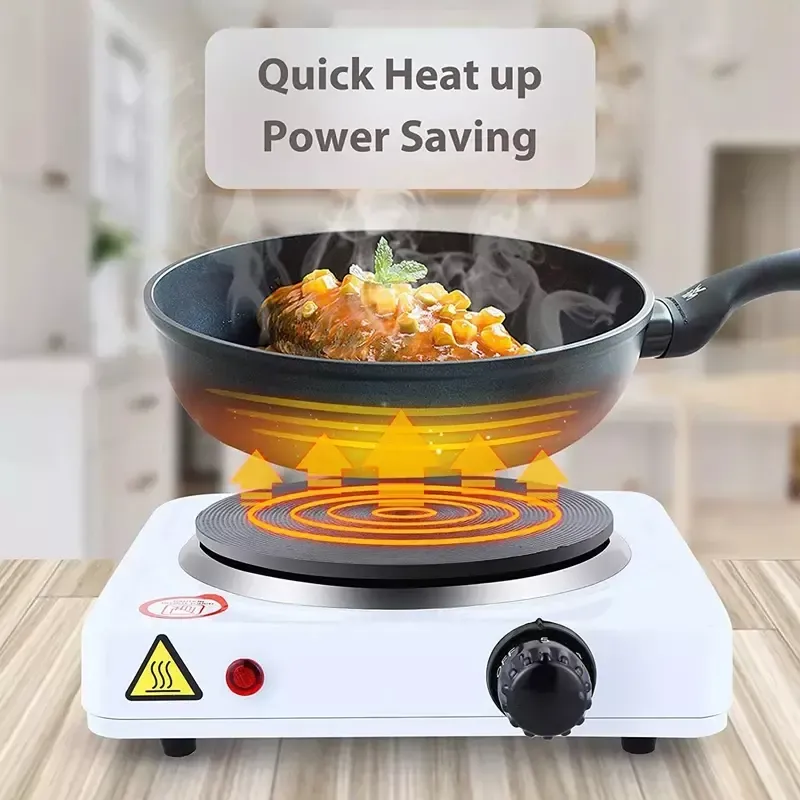
The late 19th century ushered in the age of electricity, bringing with it the electric cooker. Canadian inventor Thomas Ahearn applied for the first patent for an electric cooker in 1892. These early electric models were bulky and expensive, but as electrical infrastructure expanded and designs improved, electric cookers became more practical and affordable. By the 1930s, they were a popular choice, particularly where electricity was more readily available than gas. The 1970s marked another milestone with the widespread adoption of electric ranges and the game-changing introduction of convection ovens, which significantly improved cooking speed and evenness.
Understanding Your Options: Types of Gas and Electric Cookers
When you’re looking at a new gas and electric cooker, you’ll quickly realize that the landscape is more diverse than just a simple “on/off” switch. Modern cookers come in various configurations, each designed to cater to different cooking styles and kitchen setups.
Gas Cookers
Traditional gas cookers utilize a direct flame for both the hob and the oven. On the hob, gas offers instant heat that’s immediately visible and highly controllable, making it a favorite for tasks like stir-frying and simmering delicate sauces. The heat spreads evenly across the base of your pan, which means less stirring to ensure even cooking. Gas ovens, however, tend to have a moister heat and can sometimes be hotter at the top than the bottom, which can be advantageous for cooking multiple dishes requiring different temperatures simultaneously.
Electric Cookers
Electric cookers rely on heating elements to generate heat. There are several types of electric hobs:
- Solid Plate Hobs: These are typically found on older or more budget-friendly models. They are slow to heat up and cool down.
- Ceramic Hobs: Featuring a smooth, flat glass surface, ceramic hobs are aesthetically pleasing and easy to clean. They heat up faster than solid plates but still retain heat for some time after being switched off.
- Induction Hobs: The most advanced electric hob type, induction uses electromagnetic energy to heat cookware directly. This results in incredibly fast heating, precise temperature control, and high energy efficiency. They cool down almost instantly, offering a significant safety advantage, but require specific ferromagnetic cookware.
Electric ovens are known for their consistent and dry heat, which is excellent for baking and roasting. Many electric ovens feature fan assistance (convection), circulating hot air for even cooking and faster results.
Dual Fuel Cookers
For those who crave the best of both worlds, dual fuel cookers are a popular choice. These appliances combine a gas hob with an electric oven. This setup allows cooks to enjoy the instant response and precise control of gas burners for stovetop cooking, paired with the even, dry heat of an electric oven, which is ideal for baking and roasting. The main drawback of dual fuel ranges is often their higher upfront cost compared to single-fuel models.
Gas vs. Electric: A Head-to-Head Comparison
Deciding between a gas and electric cooker often comes down to a detailed comparison of their operational characteristics, costs, and cleaning requirements.
Pros of Gas Cookers
- Instant Heat Response: Gas hobs provide immediate heat and allow for instant adjustments, giving you precise control over cooking temperatures. This is invaluable for sensitive cooking tasks.
- Visual Control: The visible flame allows you to gauge the heat level at a glance, offering intuitive control that many chefs prefer.
- Often Cheaper to Run: Generally, gas is a more cost-effective fuel source than electricity, leading to lower running costs for gas cookers. Estimates suggest gas cookers can be significantly cheaper to run annually compared to electric ones.
- Excellent for Simmering: The broad spread of heat from a gas flame is ideal for simmering, ensuring food cooks evenly without needing constant stirring.
Cons of Gas Cookers
- Uneven Oven Heat: Gas ovens typically don’t have fans, leading to less even heat distribution compared to electric ovens. They can be hotter at the top, which might require rotating dishes for consistent baking.
- Hobs Harder to Clean: The raised burners and pan supports on gas hobs make them more fiddly and time-consuming to clean than flat electric surfaces.
- Requires Professional Installation: Installing a gas cooker necessitates a dedicated gas line and must be done by a qualified Gas Safe registered professional, adding to initial installation costs.
- Potential for Emissions: Gas appliances can produce emissions, making good kitchen ventilation critical.
Pros of Electric Cookers
- Even Oven Heat: Most electric ovens come with fans (convection), ensuring a more consistent temperature throughout the oven cavity, which is perfect for baking and roasting.
- Easy to Clean Hobs: Ceramic and induction hobs have smooth, flat surfaces that are much easier to wipe clean than gas burners.
- Better Grilling Performance: Electric grills generally outperform gas models in browning food evenly.
- Induction Offers Speed and Safety: Induction hobs are incredibly fast, energy-efficient, and safer as they only heat the pan, cooling down rapidly when removed.
- Multifunction Ovens: Many electric cookers offer multifunction ovens, allowing for versatile cooking options like combining grilling and fan-assisted heat.
Cons of Electric Cookers
- Higher Running Costs: Despite using less energy, the per-unit cost of electricity is typically higher than gas, making electric cookers more expensive to run annually.
- Slower Hob Response (Non-Induction): Traditional electric coil or ceramic hobs can be slower to heat up and respond to temperature changes compared to gas.
- Ceramic Hobs Retain Heat: Ceramic surfaces stay hot long after being turned off, posing a potential safety risk, especially for children or pets, and continuing to cook food if left on the hob.
- Can Be Slower to Heat Up: While modern electric ovens can match gas ovens for heating up food, older models or those without convection can take longer to reach desired temperatures.
Expert Insight: “Choosing Your Culinary Powerhouse”
“When advising clients on their kitchen setup, I always emphasize that the ‘best’ cooker isn’t universal,” shares Chef Eleanor Vance, a renowned culinary expert with over two decades of experience in kitchen design and appliance testing. “It truly boils down to your personal cooking style. If you’re someone who loves to quickly adjust temperatures on the hob for stir-fries or delicate sauces, the immediate response of a gas burner is unbeatable. However, for consistent, flawless baking and roasting, especially with multiple trays, the even heat of an electric convection oven is often superior. That’s why dual fuel models have become so popular – they offer a smart compromise, giving you precision on top and perfection in the oven.”
Safe and Savvy Cooking: Tips for Your Gas or Electric Cooker
Getting the most out of your gas and electric cooker isn’t just about choosing the right model; it’s also about knowing how to use and maintain it safely and efficiently.
Usage Tips
- Preheating Correctly: Always allow your oven to fully preheat to the specified temperature before placing food inside. This is crucial for consistent cooking, especially for baked goods. Electric ovens often take longer to preheat than gas.
- Pan Selection: For gas hobs, use pans with flat bottoms to maximize contact with the flame. For induction, ensure your cookware is ferromagnetic. For electric ceramic or coil hobs, heavy, flat-bottomed pans ensure even heating.
- Ventilation is Key: Especially with gas cookers, proper ventilation is crucial to remove combustion byproducts and cooking odors. Always use your extractor fan or open a window.
- Match Pan Size to Burner: Using a pan that’s too small for a large gas burner wastes heat and energy. Conversely, a large pan on a small burner will heat unevenly.
Maintenance Tips
- Regular Cleaning:
- Gas Hobs: Remove grates and burner caps frequently and clean them with warm, soapy water. Wipe down the hob surface regularly to prevent food buildup.
- Electric Hobs (Ceramic/Induction): Wipe the flat surface with a damp cloth after each use. For stubborn stains, use a non-abrasive ceramic hob cleaner.
- Check Gas Lines (Gas Cookers): Periodically inspect gas lines for any signs of wear or leaks (though leaks typically require professional attention). Ensure proper air circulation around the appliance.
- Inspect Electric Elements (Electric Cookers): For coil elements, ensure they are sitting correctly. For ovens, routinely check the door seals for any damage that could lead to heat loss.
- Professional Servicing: Consider annual professional servicing for gas appliances to ensure they are operating safely and efficiently.
The Benefits Beyond the Burner: Why Your Choice Matters
The type of gas and electric cooker you select profoundly impacts more than just how quickly water boils. It influences your cooking experience, energy consumption, and even the overall aesthetic of your kitchen.
- Energy Efficiency: While gas may be cheaper per unit, induction electric cookers are remarkably efficient, as they heat the cookware directly, minimizing wasted energy. This can lead to lower overall energy consumption.
- Impact on Cooking Results:
- Baking & Roasting: Electric ovens, particularly those with convection, are generally preferred for baking due to their consistent, dry heat which promotes even browning and rising.
- Stir-frying & Sautéing: Gas hobs excel here, offering the high, instant heat needed for quick cooking and precise temperature changes.
- Delicate Sauces: The fine control of a gas flame is ideal for simmering and melting without scorching.
- Kitchen Aesthetics and Design: Modern cookers are available in a vast array of styles, from sleek, minimalist induction ranges to robust, professional-style gas or dual fuel models. Your choice can significantly complement or define your kitchen’s design theme. Built-in electric ovens and hobs offer seamless integration, while freestanding ranges can make a bold statement.
Mastering Your Meals: Popular Dishes and Creative Recipes
Understanding the strengths of your gas and electric cooker can inspire new culinary creations and help you perfect classic dishes.
- Best for Gas Hobs:
- Stir-Fries: The high, instant heat of a gas burner is perfect for quickly cooking vegetables and proteins, maintaining their crispness and flavor.
- Delicate Sauces: Gas allows for precise low heat control, ideal for simmering custards, melting chocolate, or making hollandaise sauce without curdling.
- Charring Vegetables: Direct flame contact can be used to char peppers or eggplants, adding a smoky depth of flavor.
- Best for Electric Ovens:
- Baking Breads and Cakes: The even, consistent heat of an electric oven ensures uniform rising and browning, leading to perfectly baked goods.
- Roasting Meats and Vegetables: Convection settings in electric ovens circulate hot air, resulting in beautifully browned, crispy exteriors and tender interiors for roasts.
- Grilling/Broiling: Electric grills often provide a more even and intense heat, ideal for browning cheese on gratins or finishing steaks.
- Leveraging Dual Fuel: With a dual fuel cooker, you get the best of both worlds. Imagine searing a steak to perfection on a gas hob and then transferring it to an electric oven to finish cooking evenly, or creating a delicate sauce on the hob while your soufflé rises flawlessly in the convection oven.
Frequently Asked Questions
Q: Are gas cookers really cheaper to run than electric?
A: Generally, yes. The unit cost of natural gas is typically lower than electricity, making gas cookers more economical to run over time, although initial installation costs for a gas line can be higher.
Q: Which cooker type is better for baking?
A: Electric ovens are generally considered superior for baking due to their consistent, dry heat, especially those with convection fans that circulate hot air for even results.
Q: How do dual fuel cookers work?
A: Dual fuel cookers combine a gas hob (for stovetop cooking) with an electric oven (for baking and roasting), aiming to offer the advantages of both fuel types in one appliance.
Q: Are induction hobs worth the investment?
A: Many users find induction hobs to be an excellent investment due to their speed, precise temperature control, energy efficiency, and safety features. They require specific magnetic cookware, which can be an additional cost.
Q: What are the safety considerations for each?
A: Gas cookers require proper ventilation and professional installation due to potential gas leaks and emissions. Electric cookers, especially ceramic hobs, retain heat after use, posing a burn risk. Induction hobs are generally considered very safe as they only heat the pan.
Q: How often should I clean my cooker?
A: It’s best to wipe down hob surfaces after each use to prevent food buildup. Ovens should be deep-cleaned every 3-6 months, depending on usage. Regular cleaning prevents odors, maintains efficiency, and extends the life of your appliance.
Conclusion
The choice between a gas and electric cooker is a highly personal one, deeply intertwined with your cooking habits, budget, and kitchen infrastructure. Gas cookers offer instant, visual heat control on the hob and often lower running costs, making them a favorite for stovetop enthusiasts. Electric cookers, particularly with advanced induction hobs and convection ovens, provide unparalleled precision for baking, superior grilling, and easier cleaning. And for those who refuse to compromise, dual fuel models offer a harmonious blend of both worlds.
Ultimately, the best cooker for you will seamlessly integrate into your culinary journey, making every meal a joy to prepare. Consider your priorities – is it precise heat for stir-fries, even baking for cakes, or perhaps a combination of both? Armed with this knowledge, you are now well-equipped to select the ideal gas and electric cooker that will serve as the trusted centerpiece of your kitchen for years to come.