Have you ever found yourself wishing for an extra burner during a big holiday meal, or perhaps yearning for a hot, home-cooked dish in your cozy dorm room or while on a camping adventure? If so, the versatile and convenient world of the plug-in electric cooker is about to become your new best friend. These compact powerhouses are changing the way we think about cooking, offering flexibility and efficiency that a traditional stovetop simply can’t match. They’re more than just simple heating elements; they’re your ticket to culinary freedom, no matter where you are.
Understanding the “Plug-In Electric Cooker” Phenomenon
So, what exactly sets a plug-in electric cooker apart? Unlike larger, built-in electric ranges or ovens that often require dedicated, high-amperage wiring, a plug-in electric cooker is designed for simplicity. It connects directly into a standard wall outlet, making installation as easy as, well, plugging it in! This distinction is crucial, as it defines their portability, energy needs, and the myriad of situations where they truly shine.
These aren’t your grandma’s bulky appliances; today’s plug-in electric cookers are sleek, powerful, and incredibly diverse. They empower you to expand your kitchen capacity, bring cooking outdoors, or even set up a mini-kitchen in unconventional spaces. Their immediate accessibility and ease of use make them a fantastic solution for renters, students, campers, or anyone needing a flexible cooking option.
A World of Choices: Types of Plug-In Electric Cookers
The term “plug-in electric cooker” is a broad umbrella, encompassing a variety of appliances, each with its unique strengths. While our focus today is primarily on portable burners or hot plates that plug into standard outlets, it’s worth noting that slow cookers, rice cookers, and multi-cookers like Instant Pots also fall into this category, offering specialized cooking functions with the same plug-and-play convenience.
When it comes to general-purpose cooking, you’ll mainly encounter a few key types of plug-in electric burners:
Induction Cooktops: Precision Meets Efficiency
Imagine a cooktop that heats your food directly, without even warming the cooking surface itself. That’s the magic of an induction cooktop. These appliances use electromagnetic fields to generate heat directly within magnetic cookware.
How they work: An electric current creates a magnetic field that rapidly vibrates the iron molecules in your pot or pan, generating heat.
The Upside: They are incredibly energy-efficient because very little heat is lost to the surroundings. They heat up incredibly fast and offer unparalleled temperature precision, allowing for fine-tuned cooking. Chef Chris DiMaio, executive chef and owner of Montana Craft Kitchen, notes that “An induction burner is powerful, quick at heating, and can hold temperatures to a single degree of accuracy, which makes it great for holding a steady temperature of water for, say, poaching eggs or even using it as a sous vide bath.”
A Small Catch: You’ll need induction-compatible cookware – typically cast iron or magnetic stainless steel. If a magnet sticks to the bottom of your pot, you’re good to go!
Infrared Burners: Universal Cookware Compatibility
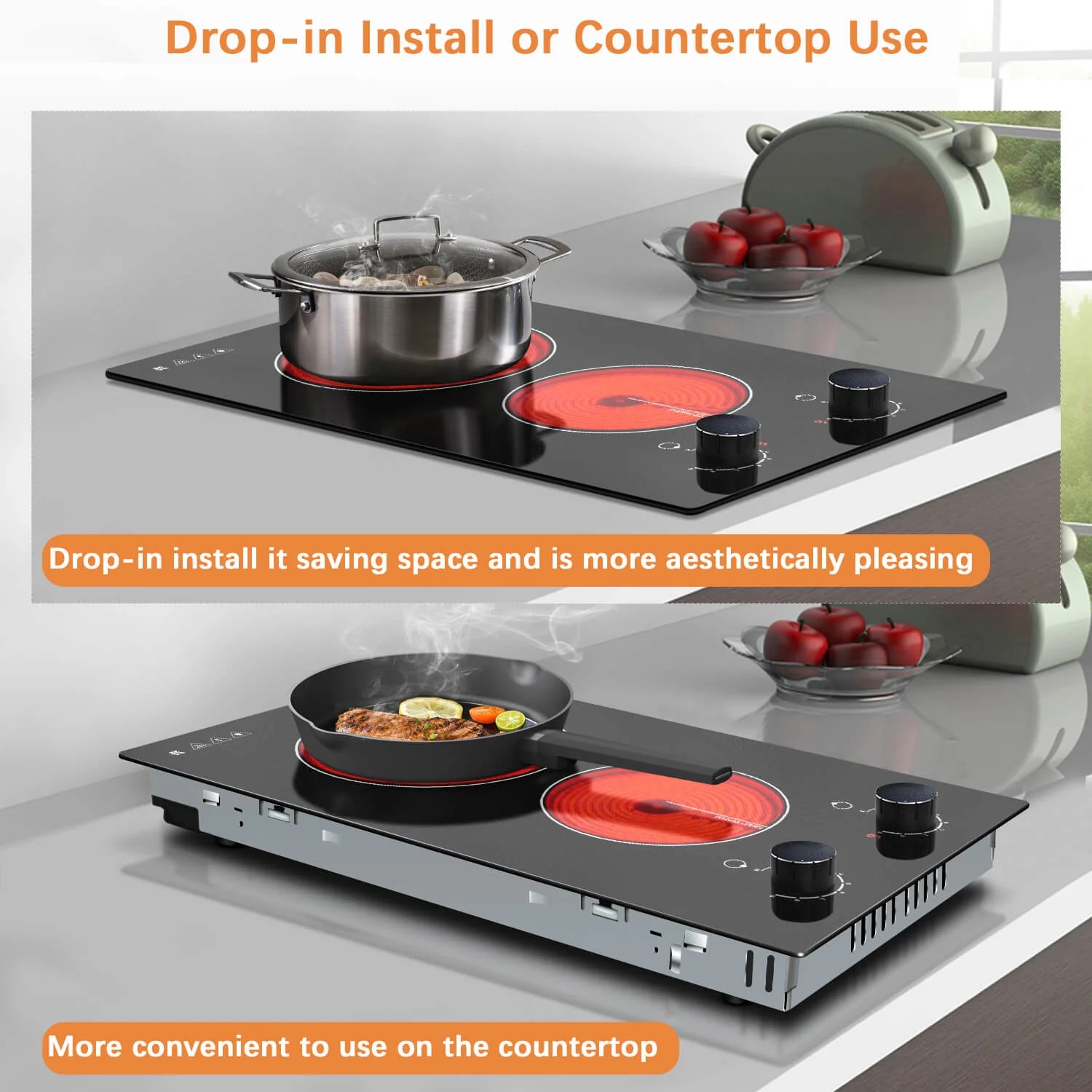
Infrared burners, often featuring a sleek ceramic glass surface, are a fantastic middle-ground option.
How they work: These burners use radiant coils beneath the surface that heat up and transfer heat directly to your cookware. The surface itself gets hot, much like a traditional electric stove.
The Upside: The biggest advantage here is versatility. Infrared burners work with virtually any type of flat-bottomed cookware you already own – aluminum, glass, ceramic, and non-magnetic materials are all fair game. They also heat quickly and provide a consistent cooking experience.
A Consideration: While efficient, they might not offer the hyper-precise temperature control of induction, and the hot surface requires careful handling during and after use.
Coil Burners: The Budget-Friendly Workhorse
The classic coil burner is often the most economical choice for a plug-in electric cooker.
How they work: Exposed metal coils heat up when electricity flows through them, directly transferring heat to your pot or pan.
The Upside: They are generally very affordable and can be surprisingly powerful, often handling heavy cookware without issue. They’re a no-frills option perfect for basic cooking needs.
A Consideration: Cleaning can be a bit more challenging if food drips onto the coils, and their aesthetics might not appeal to everyone. Heat distribution can sometimes be less even compared to flat-top models.
Cast Iron Flat-Top Burners: Robust and Reliable
These burners feature a heavy cast-iron plate that heats up, providing a stable and even cooking surface.
How they work: Similar to coil burners, an electric heating element warms the cast iron plate, which then transfers heat to your cookware.
The Upside: Cast iron excels at retaining heat, leading to very even cooking and the ability to keep food warm for longer. The flat surface is also typically easy to wipe clean.
A Consideration: They can take a bit longer to heat up initially due to the mass of the cast iron, but once hot, they perform beautifully.
Key Features to Look for in Your Plug-In Electric Cooker
When diving into the world of plug-in electric cookers, a few features can significantly enhance your cooking experience:
- Power (Wattage): Higher wattage generally means faster heating and more intense cooking power. Most single plug-in burners range from 1000W to 1800W. Consider your primary use – quick boiling needs more power than gentle simmering.
- Temperature Control & Settings: Look for models with a wide range of temperature settings, or even specific temperature increments for more precise cooking. Digital displays and timers can be a huge bonus.
- Cookware Compatibility: If you’re eyeing an induction cooker, ensure your pots and pans are magnetic. For infrared or coil burners, most flat-bottomed cookware will work.
- Safety Features: Overheat protection, automatic shut-off, and child lock functions (especially on induction models) are crucial for peace of mind. Some models also have indicator lights to show when the surface is hot.
- Size & Portability: Consider the dimensions and weight, especially if you plan to move it frequently or use it in a confined space. Some burners come in single or double configurations.
- Ease of Cleaning: Flat, smooth surfaces like glass induction or ceramic infrared cooktops are generally the easiest to wipe down. Coil burners can be trickier if spills occur.
Cooking Up a Storm: Tips for Using Your Plug-In Electric Cooker
Mastering your plug-in electric cooker is simple, but a few tips can make a big difference:
Safe Operation First
- Stable Surface: Always place your cooker on a flat, stable, heat-resistant surface away from flammable materials.
- Avoid Overload: Ensure the outlet you’re using isn’t overloaded with other high-wattage appliances. While designed for standard outlets, pushing the limits can trip a breaker.
- Unplug When Not In Use: This is a simple but vital safety habit. Always unplug the appliance once you’re done cooking and it has cooled down.
- Ventilation: Ensure adequate airflow around the unit, especially for models with internal fans (like many induction cooktops).
Optimizing Your Cooking Experience
- Lid It Up: Using a lid on your pots and pans significantly speeds up heating and boiling times, conserving energy.
- Match Pan Size: For optimal efficiency and even heating, try to match the diameter of your cookware to the size of the burner element.
- Preheating is Key: Just like a full-size stove, allowing your plug-in electric cooker to preheat properly will yield better cooking results.
- Don’t Overcrowd: Give your food space in the pan, especially when frying or searing, to ensure even cooking and browning.
Maintenance & Cleaning
- Cool Down First: Always wait for the cooker to cool completely before attempting to clean it.
- Wipe Down: For glass or cast-iron surfaces, a damp cloth with mild soap is usually sufficient. For stubborn spots on glass, a non-abrasive cleaner designed for ceramic cooktops can work wonders.
- Coil Care: For coil burners, remove the drip pans underneath (if applicable) and wash them. Gently wipe the coils, avoiding harsh scrubbing that could damage them.
Beyond the Basics: Creative Recipes for Your Plug-In Electric Cooker
The possibilities with a plug-in electric cooker are surprisingly vast. Don’t underestimate these small but mighty appliances!
- Quick Breakfasts: Whip up fluffy scrambled eggs, sizzle some bacon, or make perfectly golden pancakes. Your morning routine just got a whole lot easier.
- Simple Lunches: Heat up a can of soup, grill a gooey cheese sandwich, or sauté some veggies for a quick and healthy meal.
- Easy Dinners: From a one-pan chicken stir-fry to boiling pasta for your favorite sauce, or even searing a steak to perfection, these cookers can handle a surprising array of dinner recipes.
- Entertaining Helper: Use it as an extra warming station for sauces, gravies, or side dishes when your main stove is full during gatherings. It’s also fantastic for setting up a fondue station or a hot pot.
- Coffee & Tea: Boil water for your morning coffee press or evening tea without hogging a burner on your main stove.
Benefits That Spark Joy: Why Every Home Needs One
Investing in a plug-in electric cooker brings a cascade of benefits that can truly enhance your culinary life:
- Unmatched Portability: Cook virtually anywhere there’s an outlet – ideal for dorms, apartments, RVs, camping, tailgates, or even your patio for outdoor cooking.
- Space-Saving Design: Perfect for small kitchens, freeing up valuable counter space when not in use. They tuck away neatly in cabinets.
- Supplemental Cooking Power: Provides an invaluable extra burner when hosting large dinners or preparing complex meals, preventing kitchen bottlenecks.
- Energy Efficiency: Especially induction models, which heat precisely and waste very little energy.
- Safety: No open flames, and many come with advanced safety features, making them a safer alternative in many scenarios.
- Versatility: Capable of handling a wide range of cooking tasks, from gentle simmering to rapid boiling and intense searing.
Frequently Asked Questions (FAQ)
Q: Can a plug-in electric cooker boil water quickly?
A: Yes, many plug-in electric cookers, especially induction models, can boil water very quickly. The speed depends on the cooker’s wattage and the volume of water, but they are generally efficient for boiling moderate amounts of liquid. Using a lid always helps speed up the process.
Q: Are plug-in electric cookers energy efficient?
A: Absolutely! Induction plug-in cookers are particularly energy-efficient because they heat the cookware directly, minimizing heat loss. Infrared and cast-iron models are also efficient for their size, providing a cost-effective way to cook without needing a full-sized range.
Q: What kind of cookware can I use on a plug-in electric cooker?
A: Cookware compatibility varies by type. Induction cookers require magnetic cookware (cast iron, magnetic stainless steel). Infrared, coil, and cast-iron flat-top burners typically work with all types of flat-bottomed metal cookware, including aluminum, glass, and ceramic, though heavy pots should be handled with care on glass-top models to prevent scratching.
Q: Is it safe to leave a plug-in electric cooker unattended?
A: It is generally not recommended to leave any cooking appliance, including a plug-in electric cooker, unattended while in operation. Always be present to monitor your cooking, especially since these are portable and designed for direct interaction. Many models include safety features like auto-shutoff if they overheat, but active supervision is best practice.
Q: How do I clean my electric cooker?
A: For best results, allow the cooker to cool completely. For glass-top surfaces, wipe with a damp cloth and mild soap; for stubborn marks, a specialized ceramic cooktop cleaner can be used. For coil burners, remove and wash drip pans, then gently wipe the coils. Always avoid abrasive cleaners or submerging the unit in water.
Conclusion
The plug-in electric cooker is far more than just an auxiliary appliance; it’s a game-changer for modern kitchens and dynamic lifestyles. Whether you’re a student maximizing a small space, a camping enthusiast craving a warm meal, or a home cook in need of extra capacity, these versatile devices offer a blend of convenience, efficiency, and reliability. By understanding the different types and features available, you can confidently choose the perfect plug-in electric cooker to spark joy in your culinary adventures. So go ahead, plug in, and discover a world of effortless cooking possibilities!