Stepping into the world of kitchen appliances can feel a bit overwhelming, especially when you’re looking for that perfect centerpiece to bring your culinary dreams to life. If you’re like many home cooks today, a Single Oven Electric Cooker is probably on your radar, and for good reason. This versatile appliance is a cornerstone of modern kitchens, offering a blend of efficiency, reliability, and precision that can elevate your everyday cooking from simple meals to gourmet feasts. At Review Awe, we understand that smart purchasing decisions come from deep knowledge, and that’s precisely what we’re here to provide.
What Exactly is a Single Oven Electric Cooker?
At its core, a single oven electric cooker is a kitchen appliance that smartly combines an electric oven with a hob, all within one compact unit. Think of it as your all-in-one culinary workstation. Unlike its double-oven counterparts, which provide two separate baking compartments, a single oven electric cooker offers one spacious cavity. This design makes it an ideal choice for households that value efficiency and prefer a streamlined kitchen setup without sacrificing cooking power. It’s perfect for everything from roasting your Sunday dinner to baking delicate pastries, all within a single, consistent heating environment.
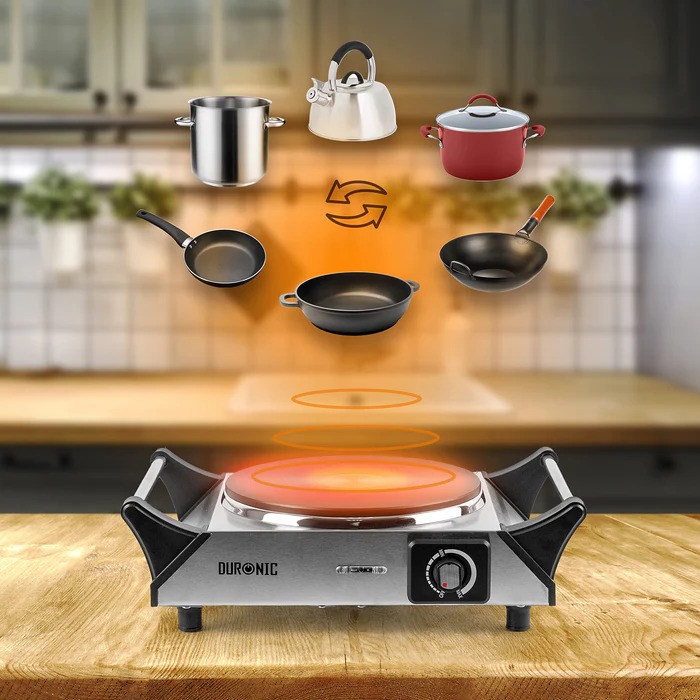
Why Choose a Single Oven Electric Cooker? The Undeniable Benefits
Choosing a single oven electric cooker brings a host of advantages to your kitchen, making it a popular option for many homes.
Energy Efficiency and Cost Savings
Modern single electric ovens are designed with energy conservation in mind. They often boast high energy efficiency ratings, which translates directly into lower electricity bills. With features like superior insulation and convection cooking, they convert a higher percentage of energy into heat, ensuring your food cooks efficiently without excessive power consumption.
Precision and Even Cooking
One of the standout features of electric ovens is their reputation for delivering exceptionally even heat distribution. This means fewer hot spots and more consistent results, which is a dream come true for bakers. Whether you’re making a soufflé or a batch of cookies, you can trust that your single oven electric cooker will maintain stable temperatures, significantly reducing the chances of over or undercooking your dishes.
Versatility in the Kitchen
Don’t let the “single” in its name fool you; these cookers are incredibly versatile. Equipped with various cooking modes such as baking, grilling, roasting, and often convection settings, they allow you to tackle a wide array of recipes. Some advanced models even include air frying functions, expanding your culinary horizons even further.
Safety First
For many, the absence of an open flame or gas supply is a significant advantage. This inherent safety feature reduces the risk of accidents in the kitchen, offering greater peace of mind, especially in households with children or pets.
Ease of Use and Installation
Single electric cookers are typically straightforward to operate, often featuring intuitive digital controls, precise timers, and convenient pre-set cooking functions. Installation is also generally simpler compared to gas ovens, as there’s no need for gas lines or complex ventilation systems, making them easier to integrate into existing kitchen layouts.
Space-Saving Design
For compact kitchens, apartments, or smaller households, a single oven electric cooker is a true space-saver. Its all-in-one design means you get both oven and hob functionality without requiring the additional footprint of a double oven or separate units, allowing for more cabinet space or a less cluttered aesthetic.
Types of Single Oven Electric Cookers: Finding Your Perfect Match
The world of single oven electric cooker models is diverse, offering various oven technologies and hob options to suit every cooking style and preference.
Oven Technologies
- Conventional Ovens: These use heating elements at the top and bottom, creating natural heat zones – hotter at the top, cooler at the bottom. This can be useful for cooking multiple dishes requiring different temperatures simultaneously, though they typically require pre-heating.
- Fan-Assisted Ovens: Incorporating top and bottom elements with a fan that helps distribute heat, these offer more even cooking than conventional models but may still have some heat pockets.
- Fan Ovens (True Convection): With a heating element and a fan usually at the rear of the cavity, these ovens circulate heat uniformly, ensuring faster preheating and consistent cooking results on all shelves.
- Multifunction Ovens: These are the most versatile, combining multiple heating methods (conventional, fan, grill) and often offering pre-set programs tailored for specific dishes, taking the guesswork out of cooking.
Hob Options (for ranges)
If you’re considering a freestanding single oven electric cooker that includes a hob, you’ll encounter a few main types:
- Solid Plate Hobs: These are robust, cost-effective, and uncomplicated, offering manual dial controls. They heat up slowly and retain heat.
- Ceramic Hobs: Featuring a smooth, sleek glass surface, ceramic hobs are aesthetically pleasing and easy to wipe clean. They heat the glass surface which then transfers heat to the pan.
- Induction Hobs: The most energy-efficient and safest option, induction hobs use electromagnetic fields to directly heat the pan itself, not the hob surface. This provides fast, precise heating and a cool-to-touch surface, but requires specialist induction-compatible cookware.
Key Features to Look for in Your Next Single Electric Oven
When selecting your ideal single oven electric cooker, consider these features to ensure it meets your specific culinary needs and lifestyle.
Capacity and Size
Single ovens typically come in standard widths like 50cm, 55cm, or 60cm for freestanding models, and around 60cm for built-in units. Capacities usually range from 60 to over 80 liters. To determine the right size, consider your household size and how often you cook large meals or entertain guests. A 60-liter oven is often suitable for most households, while larger families or avid entertainers might benefit from 70+ liters.
Energy Efficiency Ratings
Always look for a high energy efficiency rating, often indicated by an A-G scale, with A being the most efficient. An energy-efficient single oven electric cooker will not only save you money on utility bills but also contribute to a more sustainable kitchen.
Advanced Cleaning Systems
Cleaning an oven can be a chore, but modern single electric ovens offer features to simplify this task:
- Easy-Clean Enamel: Many ovens have a smooth, non-stick enamel coating that makes wiping away spills and grease much easier.
- Catalytic Liners: These special coatings absorb grease and residue, which then oxidize at approximately 220°C, making them easier to wipe clean.
- Pyrolytic Cleaning: This advanced self-cleaning function heats the oven to extremely high temperatures (over 500°C), incinerating food debris into fine ash that can then simply be brushed away. This is the most thorough and effortless cleaning method.
Control Types
Ovens typically come with either manual or digital controls. Manual dials offer straightforward operation, while digital interfaces often provide more precise temperature settings, programmable timers, and additional pre-set functions for enhanced convenience.
Integrated Grill and Other Conveniences
Many single ovens come with an integrated grill within the main cavity, offering versatility for browning, toasting, or quick cooking. Other convenient features might include adjustable racks for flexible cooking, cool-to-touch doors, and storage drawers in freestanding range models.
Safe and Effective Use: Getting the Most Out of Your Electric Cooker
To maximize the performance and lifespan of your single oven electric cooker, a few best practices go a long way. Always read your appliance’s manual for specific instructions.
- Pre-heating is Key: While modern electric ovens heat up faster, proper pre-heating ensures the oven reaches and maintains the desired temperature throughout the cavity, leading to better cooking results.
- Use the Right Cookware: Opt for oven-safe dishes and bakeware appropriate for your chosen cooking method. For induction hobs, ensure you use compatible magnetic pans.
- Regular Cleaning: Keeping your oven clean not only ensures hygiene but also improves efficiency. Wipe up spills immediately, and utilize your oven’s self-cleaning features (if available) regularly to prevent stubborn build-up.
- Ventilation Matters: Ensure there’s adequate space around a freestanding cooker for proper air circulation, typically a 5mm gap on either side, to prevent overheating.
Unleash Your Inner Chef: Popular Dishes and Creative Recipes
A single oven electric cooker is a versatile powerhouse ready for any culinary challenge. Its even heating and precise temperature control make it ideal for:
- Baking: From fluffy cakes and artisan bread to delicate pastries and perfect cookies, an electric oven provides the consistent environment needed for flawless baking.
- Roasting: Achieve perfectly cooked meats like succulent roast chicken or tender beef, alongside beautifully caramelized vegetables. The even heat ensures a consistent roast throughout.
- Grilling/Broiling: Utilize the integrated grill for browning cheesy dishes, crisping up bacon, or quickly cooking thin cuts of meat and fish.
- Casseroles and Bakes: Hearty gratins, bubbling lasagnas, and comforting casseroles all thrive in the stable heat of an electric oven.
Installation and Power Requirements: What You Need to Know
Proper installation of your single oven electric cooker is crucial for both safety and performance. For ovens with a power rating below 3kW, a standard 13-amp plug socket is usually sufficient. However, if your oven exceeds 3kW, it will require a dedicated hardwired connection to your home’s electrical network, complete with its own isolated breaker. For these installations, it is highly recommended to seek the assistance of qualified electricians to ensure safety and compliance with all electrical regulations. Remember to also account for necessary ventilation space around the appliance as per manufacturer guidelines.
Expert Insight: A Word from Review Awe’s Culinary Advisor
“The beauty of a modern single oven electric cooker lies not just in its sleek design, but in its ability to empower home cooks with consistent results and flexible cooking options, making gourmet meals achievable even in compact spaces,” shares Eleanor Vance, a seasoned appliance specialist and culinary advisor at Review Awe. “It’s about having that reliable partner in your kitchen that truly understands how to deliver deliciousness, every single time.”
Frequently Asked Questions (FAQ)
Is a single oven electric cooker energy efficient?
Yes, many modern single oven electric cookers are designed to be highly energy-efficient, often carrying high energy ratings. They tend to convert a greater percentage of energy into usable heat compared to their gas counterparts, which can lead to lower operating costs over time.
Can I bake and grill at the same time in a single oven?
Generally, no. A single oven cavity means you can only perform one primary cooking function at a time. If your single oven has an integrated grill, it typically operates within the same cavity as the main oven function, meaning you would switch between baking and grilling.
What are the common sizes for single electric ovens?
For freestanding models, common widths are 50cm, 55cm, and 60cm. Built-in single ovens are typically around 60cm wide and 60cm high. Capacities usually range from 60 liters to over 80 liters, depending on the model and design.
How do self-cleaning features work?
Self-cleaning features simplify oven maintenance. Catalytic liners use special coatings that oxidize grease and food residue at high temperatures (around 220°C), making them easier to wipe away. Pyrolytic cleaning incinerates all food debris at much higher temperatures (over 500°C) into a fine ash that can then be simply brushed out, leaving a sparkling clean oven.
What’s the difference between ceramic and induction hobs?
Both offer sleek, smooth surfaces. Ceramic hobs work by heating the glass surface, which then transfers heat to any pan. Induction hobs, however, use electromagnetic fields to directly heat only the magnetic cookware, making them more energy-efficient, faster, and safer as the hob surface remains cool to the touch.
Embrace Culinary Excellence with Your Single Oven Electric Cooker
Choosing the right single oven electric cooker is more than just buying an appliance; it’s an investment in your culinary journey and the heart of your home. With its blend of energy efficiency, precise cooking, versatile features, and user-friendly design, a single oven electric cooker offers everything you need to explore new recipes, perfect your favorite dishes, and create unforgettable meals. We at Review Awe encourage you to delve into the possibilities, select the model that perfectly aligns with your lifestyle, and start enjoying the consistent, delicious results that only a quality single oven electric cooker can provide. Happy cooking!