The modern kitchen is a dynamic space, constantly evolving to meet the demands of busy lives and smaller living areas. For many, a full-sized stove isn’t practical, or perhaps an extra cooking surface is simply a necessity. This is where the Table Top Electric Cooker steps in, offering unparalleled flexibility and convenience. These unassuming yet powerful appliances have transformed how we approach cooking, moving beyond just simple hot plates to become essential tools for everything from quick weeknight meals to elaborate holiday spreads. If you’ve ever wished for more counter space, a portable solution for your dorm or RV, or just an additional burner for multitasking, a table top electric cooker might be the game-changer you need.
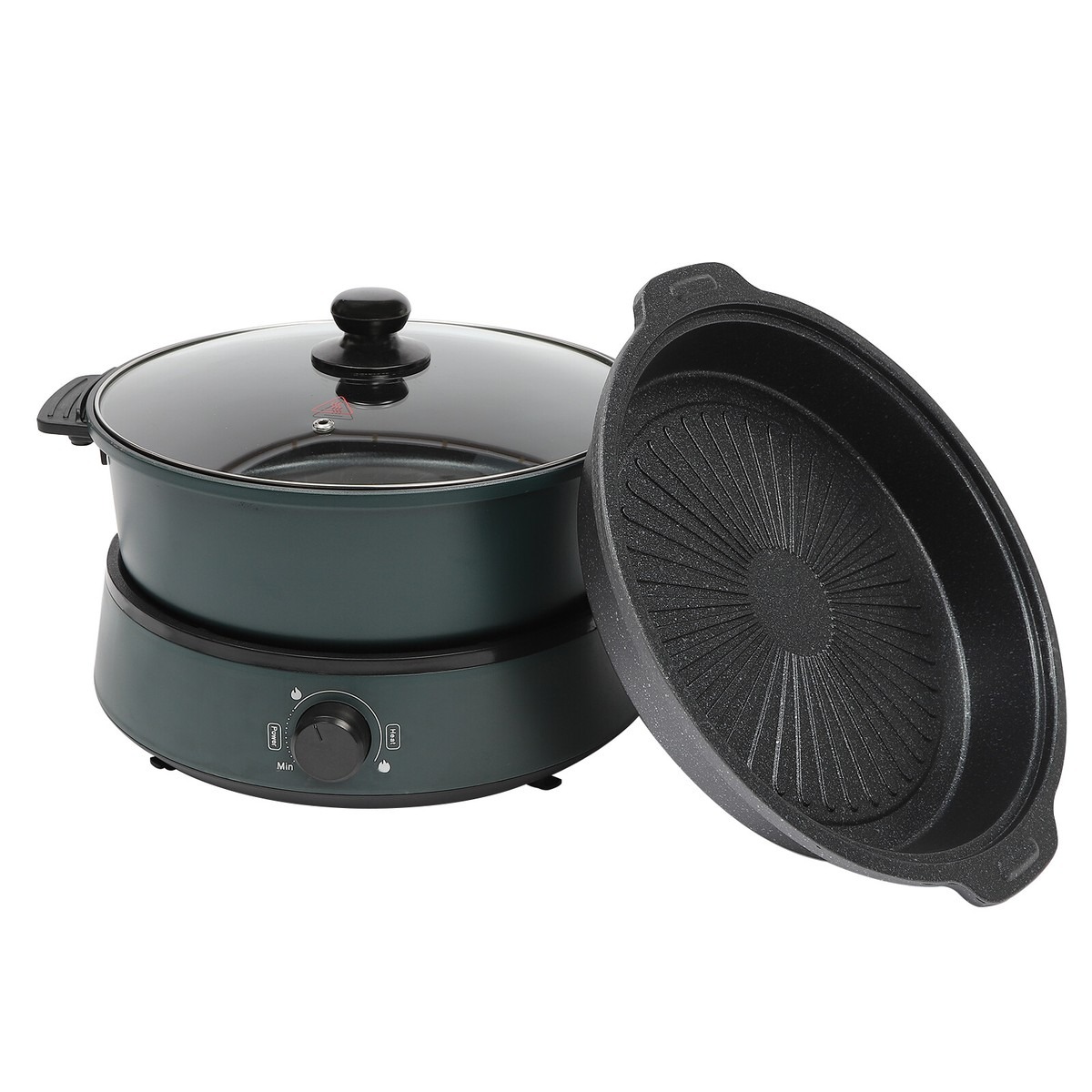
The Rise of the Table Top Electric Cooker: A Brief History and Its Modern Importance
Once upon a time, cooking meant a bulky, stationary range dominating the kitchen. The idea of a portable cooking surface was rudimentary, often limited to basic coiled hot plates that were slow and inefficient. However, innovation, driven by smaller living spaces, a desire for efficiency, and evolving cooking techniques, has propelled the table top electric cooker into a new era. Today, these compact appliances are not merely backup options; they are vital tools for urban dwellers, students, campers, and anyone looking to maximize their culinary capabilities without committing to a full kitchen overhaul. They embody the spirit of modern living – smart, flexible, and perfectly adapted to a fast-paced world.
Unpacking the Essentials: Types and Key Features of Table Top Electric Cookers
When diving into the world of table top electric cookers, you’ll find a variety of technologies, each with its own charm and benefits. Understanding these distinctions is key to finding your perfect kitchen partner.
Electric Coil Cookers
These are the classic, no-frills workhorses. Featuring visible heating coils, they are typically the most budget-friendly option and known for their durability. They provide steady heat, making them reliable for simmering and general cooking. The main drawback is a slower heat-up time and cooling process compared to newer technologies, and cleaning can be a bit more involved due to the exposed coils.
Solid Electric Hot Plates
Similar to coil cookers in principle, solid hot plates use a cast-iron or similar solid surface to generate and retain heat. They are exceptionally sturdy and offer excellent heat retention, which can be useful for keeping food warm. However, like coil models, they tend to heat up and cool down slowly.
Ceramic/Radiant Cooktops
Stepping up in aesthetics and performance, ceramic or radiant cooktops boast a sleek, smooth glass-ceramic surface. Underneath this surface, radiant elements heat up rapidly and efficiently transfer heat to your cookware. They are remarkably easy to clean – a quick wipe is usually all it takes – and add a modern touch to any countertop. They offer good temperature control and can get very hot, making them suitable for searing and frying.
Induction Cooktops: The Modern Marvel
For those seeking cutting-edge technology, induction table top electric cookers are the pinnacle of efficiency and precision. Instead of heating the cooking surface directly, induction technology uses electromagnetic fields to heat the pot or pan itself. This means faster boiling times (some can boil water in under 2 minutes! [cite: 2 – electric cooktops buying guide]), incredibly precise temperature control, and a safer cooking environment as the surface remains relatively cool to the touch. The primary consideration for induction is that it requires magnetic cookware (cast iron, stainless steel with a magnetic base) – your old aluminum pans won’t work here.
Key Features to Look For
Beyond the heating technology, several features can elevate your table top electric cooker experience:
- Number of Burners: Most portable models come with one or two burners. A single burner is perfect for small spaces or occasional use, while a double burner offers more versatility for preparing multiple dishes simultaneously.
- Wattage and Power Levels: Higher wattage (e.g., 1500W-2500W) generally means faster heating. Look for models with multiple power settings or a wide range of temperature adjustments for precise control.
- Temperature Control and Timer: Accurate temperature dials or digital controls are crucial for consistent cooking. A built-in timer can prevent overcooking and allows for hands-free operation, often with an auto-shutoff feature.
- Safety Features: Auto-shutoff, overheat protection, residual heat indicators (for ceramic surfaces), and child locks are invaluable for peace of mind, especially in busy households. Induction cooktops often include auto-pan detection, which only generates heat when a suitable pan is present.
- Material and Durability: Stainless steel bodies, cast iron plates, and high-quality ceramic glass surfaces contribute to the longevity and aesthetic appeal of the cooker.
- Portability and Size: Consider the dimensions and weight if you plan to move it frequently. Non-slip feet are also a must for stability.
Mastering Your Cooktop: Safe and Effective Use
Getting the most out of your table top electric cooker involves understanding a few simple principles.
Initial Setup and First Use
Before its maiden voyage, always read the manufacturer’s instructions. Most cookers simply need to be placed on a stable, heat-resistant surface with adequate ventilation around them. For the first use, some cooktops might emit a slight odor as protective coatings burn off – this is normal, so ensure good ventilation.
Choosing the Right Cookware
This is particularly crucial for induction models, which require magnetic cookware. A simple magnet test can confirm if your pots and pans are compatible. For coil and ceramic cooktops, flat-bottomed pans are ideal for maximum heat transfer and stability. Using cookware that matches the burner size will also optimize efficiency and cooking results.
Temperature Management for Different Dishes
Electric cookers offer excellent temperature control. Start with medium heat for most tasks and adjust as needed. For delicate sauces or simmering, utilize lower settings, while high heat is perfect for searing or boiling water. Getting to know your specific cooker’s heat levels will quickly become intuitive.
Cleaning and Maintenance Tips
The key to a long-lasting table top electric cooker is consistent cleaning. For ceramic or induction surfaces, wipe spills immediately with a damp cloth once the surface is cool. Specialized ceramic cooktop cleaners can remove stubborn stains without scratching. For coil or solid plate models, ensure they are completely cool and unplugged before cleaning around the elements with a brush or cloth. Avoid abrasive cleaners that can damage surfaces.
Smart Moves in the Kitchen: Tips and Tricks for Optimized Cooking
Want to cook like a pro on your compact cooker? Here are a few insider tips:
- Preheating Strategies: Just like a full-sized stove, preheating your table top electric cooker is essential. Allow coil and solid hot plates a few minutes to reach the desired temperature. Induction and ceramic models heat faster, but a minute or two of preheat ensures even cooking from the start.
- Efficient Cooking Practices: Utilize lids to trap heat and speed up cooking, especially when boiling or simmering. Cut food into smaller, uniform pieces to ensure even cooking and reduce overall time.
- Utilizing Timer Functions: Many modern cookers come with integrated timers. Use them! This feature is invaluable for dishes that require precise cooking durations, preventing burnt food and allowing you to step away from the kitchen momentarily.
- Embrace Multi-Tasking: With a table top electric cooker, you can strategically expand your cooking zones. Use it to keep side dishes warm while your main course finishes, or to simmer a sauce while the oven is occupied.
“The beauty of a modern table top electric cooker isn’t just its size; it’s its surprising power and precision. I’ve seen home cooks achieve restaurant-quality results with these compact units, especially when they embrace the specific strengths of induction technology,” says Chef Elena Petrova, a renowned culinary consultant.
Beyond the Countertop: The Multifaceted Benefits of a Table Top Electric Cooker
The appeal of these compact powerhouses extends far beyond just their ability to cook.
- Space-Saving for Small Kitchens, Dorms, RVs: This is perhaps the most obvious benefit. In environments where every inch counts, a table top electric cooker provides full cooking functionality without the footprint of a traditional stove.
- Flexibility as an Extra Burner: Hosting a big dinner? Need an extra spot for a large pot of pasta or to keep gravy warm? A portable electric cooker offers invaluable flexibility, transforming any available surface into an additional cooking zone.
- Energy Efficiency and Cost Savings: Induction cooktops, in particular, are incredibly energy-efficient, as heat is generated directly in the cookware with minimal loss. This can lead to noticeable savings on your electricity bill compared to traditional electric ranges. Even radiant and coil models can be more energy-efficient than firing up a large oven for a small task.
- Ease of Cleaning and Modern Aesthetics: Smooth-top ceramic and induction models are a breeze to wipe clean, contributing to a tidy kitchen. Their sleek designs also add a contemporary flair to your culinary space.
Culinary Creativity: Popular Dishes and Creative Recipes
Your table top electric cooker is more versatile than you might think!
- Quick Breakfast Ideas: Whip up scrambled eggs, fluffy pancakes, or crispy bacon. Its quick heat-up makes morning meals a breeze.
- One-Pot Meals: From hearty soups and chili to flavorful pasta dishes, many one-pot recipes translate perfectly to a single or double burner setup.
- Searing and Sautéing: Achieve a beautiful sear on steaks or chicken breasts, or perfectly sauté vegetables with precise temperature control.
- Warming Dishes for Entertaining: Keep appetizers or side dishes at the ideal serving temperature during gatherings, freeing up your main stove.
Frequently Asked Questions (FAQ)
How energy efficient are table top electric cookers?
Table top electric cookers, especially induction models, are highly energy-efficient because they heat the cookware directly, minimizing wasted energy. Radiant and coil models are also generally efficient for smaller tasks compared to using a full-sized oven.
What kind of pots and pans can I use?
For induction cookers, you’ll need magnetic cookware, typically cast iron or stainless steel. For coil, solid plate, and ceramic/radiant cooktops, most types of flat-bottomed cookware like stainless steel, cast iron, and aluminum are suitable.
Are table top electric cookers safe to use indoors?
Yes, they are designed for indoor use. Always place them on a stable, heat-resistant surface, ensure good ventilation, and follow the manufacturer’s safety guidelines, especially regarding clearances from walls and flammable materials.
How do I clean my electric cooktop?
For ceramic or induction surfaces, wipe spills immediately once cool with a damp cloth and use a non-abrasive cooktop cleaner for tougher stains. For coil or solid plate burners, ensure the unit is unplugged and cool before cleaning around the elements with a brush or cloth.
Can I use an electric cooker for slow cooking?
Many models, particularly those with precise low-temperature settings, can be used for slow cooking. Some electric cookers even come with integrated slow cooker functions or can maintain a consistent low simmer for extended periods.
What’s the difference between induction and radiant?
Induction cooktops use electromagnetic fields to heat the cookware directly, resulting in faster, more efficient, and safer cooking. Radiant (ceramic) cooktops use heating elements under a glass surface, which then transfers heat to the pan. Radiant heats up quickly but the surface remains hot after cooking, unlike induction.
How many burners do I need?
This depends on your cooking habits and space. A single burner is great for occasional use, dorms, or as an auxiliary burner. A double burner offers more flexibility for preparing full meals or multiple dishes simultaneously.
Conclusion
The table top electric cooker has come a long way, evolving into a sophisticated and indispensable appliance for modern kitchens. Whether you’re a culinary enthusiast in a compact apartment, a student in a dorm, an adventurer on the road, or simply in need of an extra cooking zone, these versatile units offer a blend of convenience, efficiency, and performance. By understanding the different types, key features, and best practices, you can unlock a world of culinary possibilities right on your countertop. Embrace the flexibility and innovative spirit of the table top electric cooker, and transform the way you cook.